

【Study café rating for the day】VOUSHO Coffee Factory (Owari-Seto)
- Atmosphere and comfort: 5/5 (every seat has its own little world, and you can settle in anywhere)
- Power outlets: none that I could see
- Wi-Fi: none
- Time limit: I didn’t see any “no long stays” sign (I stayed until a little after 5 p.m.)
- Quietness: 5/5
This is the second post in my English café tour series.
Last time, I went all the way to Ageki in Mie Prefecture to study English at a silent “written-conversation” café inside an old school building. Taking a train somewhere new and looking for a good café to study in — that has become my new hobby, lol.
This time I went to Owari-Seto in Seto City, Aichi Prefecture. From Sakae in central Nagoya, you just ride the Meitetsu Seto Line to the end of the line.
Here’s my record of a day spent wandering a pottery town and finishing up with English study at a hidden café in Owari-Seto.
- 1 8:45 Morning study at Starbucks in Oasis 21
- 2 10:47 Owari-Seto Station, the end of the Meitetsu Seto Line
- 3 10:52 A quick peek at the Seto-gura Museum
- 4 10:58 Walking the Showa-era Suehiro-cho Shopping Street
- 5 11:17 I stepped into Piaf, a porcelain figurine shop
- 6 11:39 Seto Hongyo Kiln, a pottery workshop since the Edo period
- 7 11:40 Lunch at Yakuzen-cha Soybean Flour, next to the kiln
- 8 13:14 The Kamagaki Path and its museum, recommended by the café owner
- 9 13:52 Studying at VOUSHO Coffee Factory, a hidden café in Owari-Seto
- 10 Summary
8:45 Morning study at Starbucks in Oasis 21
I got to the Starbucks in Oasis 21, Sakae, at about 8:45 a.m.
I studied there at a relaxed pace for about an hour, then caught a train from Sakaemachi Station on the Meitetsu Seto Line at around 10.
10:47 Owari-Seto Station, the end of the Meitetsu Seto Line
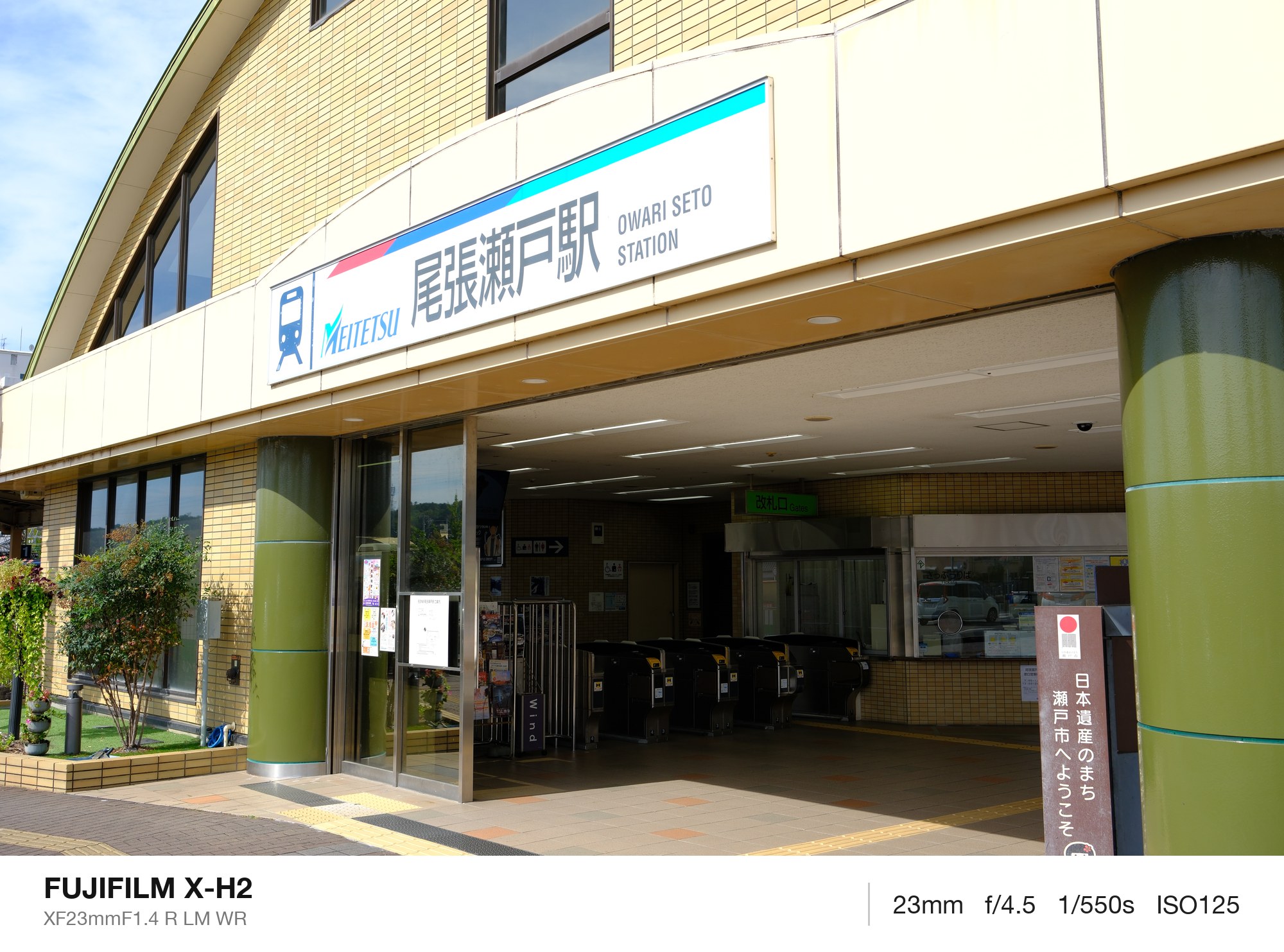
I arrived at Owari-Seto Station, the last stop. It takes about 30 minutes from Sakaemachi.
Locals call this line the Seto-den. It opened in 1905 as the Seto Automobile Railway, so it has quite a history.
It was originally built to carry Seto’s pottery (setomono) to Nagoya. The town tried to bring in a national railway line but couldn’t, so private investors built their own.
And back then, the starting point wasn’t Sakaemachi but a station called Horikawa — the trains actually ran inside the outer moat of Nagoya Castle. Trains running through a castle moat… hard to imagine now (;´Д`A
10:52 A quick peek at the Seto-gura Museum
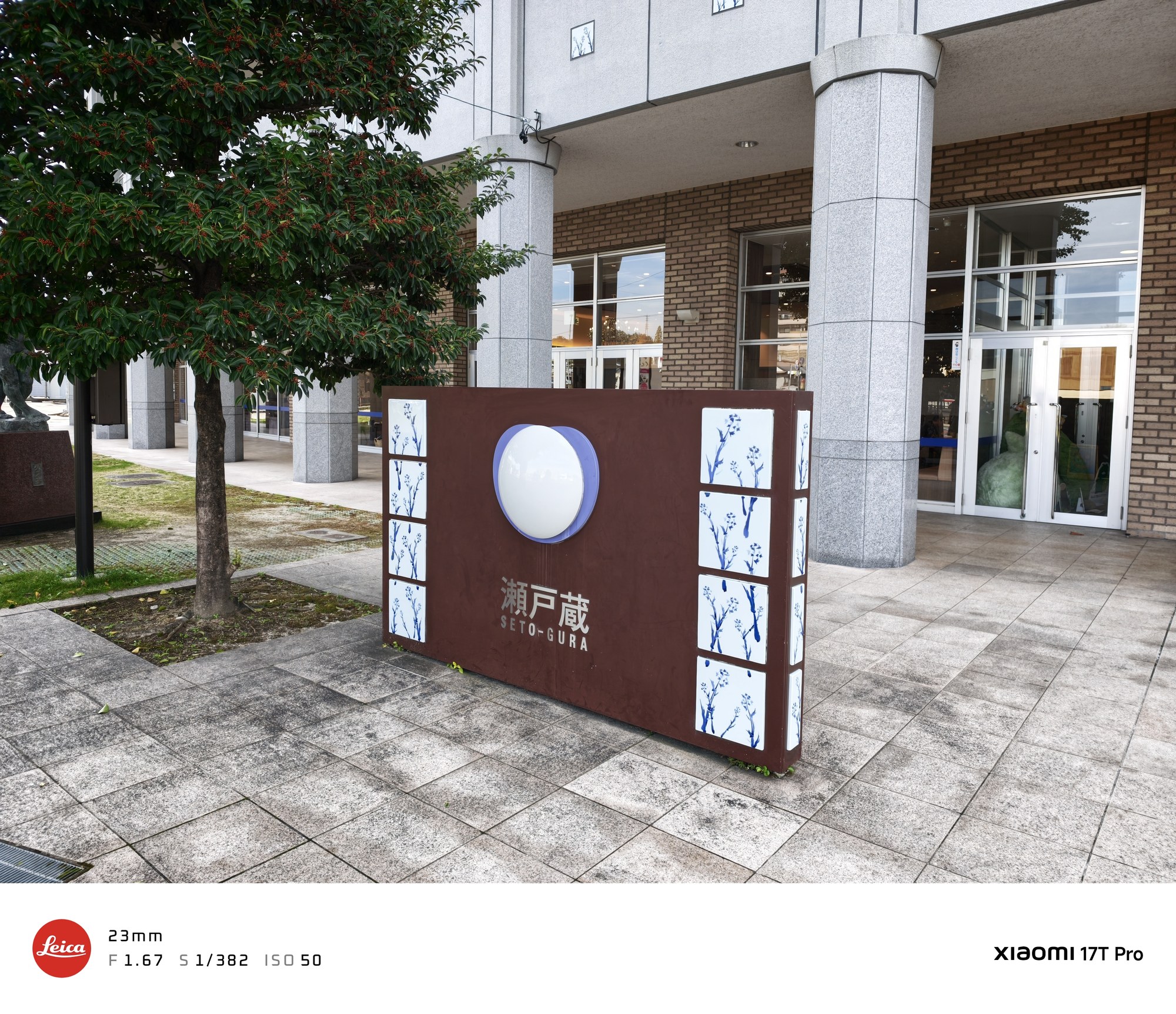
Just a short walk from the station is a big building called Seto-gura, which houses the Seto-gura Museum.
This trip was about finding a study café, so I only peeked through the entrance and kept walking.
When I looked it up later, I found that the second floor has a reconstruction of the old Owari-Seto Station building, which was torn down in 2001, and even a real Seto-den train car from back in the day. The third floor shows the 1,000-year history of Seto ware on a panorama display more than 30 meters long.
So it’s a place where you can see what the Seto-den used to look like — the very line I’d just ridden. I think it’s the perfect stop on a day you come by Seto-den.
🏛️ Seto-gura Museum
| Address | Seto, Aichi — 愛知県瀬戸市蔵所町1-1 (2nd and 3rd floors of Seto-gura) |
|---|---|
| Access | About a 5-minute walk from Owari-Seto Station (Meitetsu Seto Line) |
| Hours | 9:00–17:00 (last entry 16:30) |
| Closed | Dec 28–Jan 4 (plus about one irregular closing day a month) |
| Admission | Adults 520 yen / high school and university students, 65+: 310 yen / junior high and under: free |
| More info | Nagoya Info (official Nagoya tourism site) |
* Checked on the official Nagoya tourism site in October 2026. Hours and prices can change, so please check before you go.
10:58 Walking the Showa-era Suehiro-cho Shopping Street
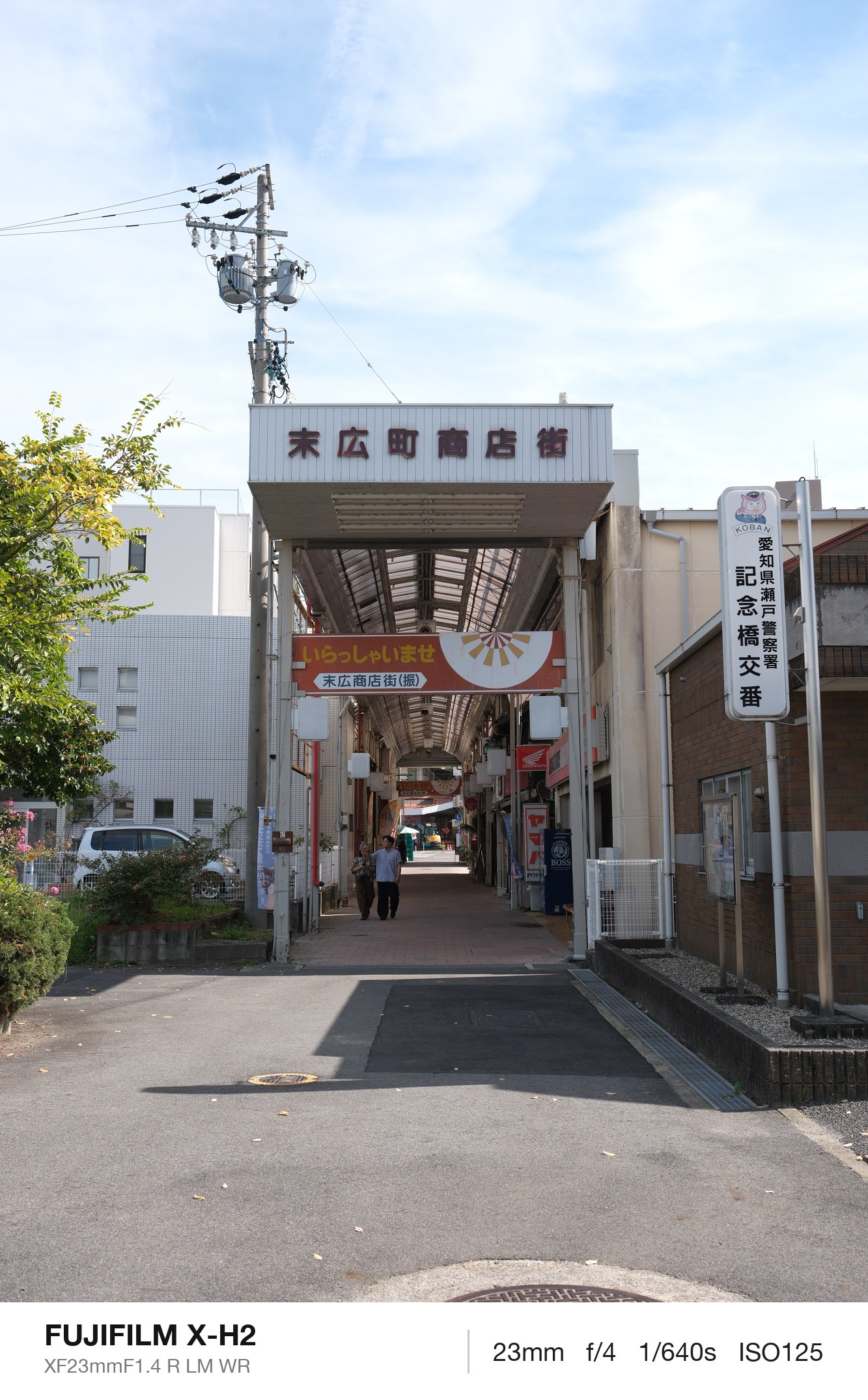
Past Seto-gura is the Suehiro-cho Shopping Street, a covered arcade about five minutes’ walk from the station.
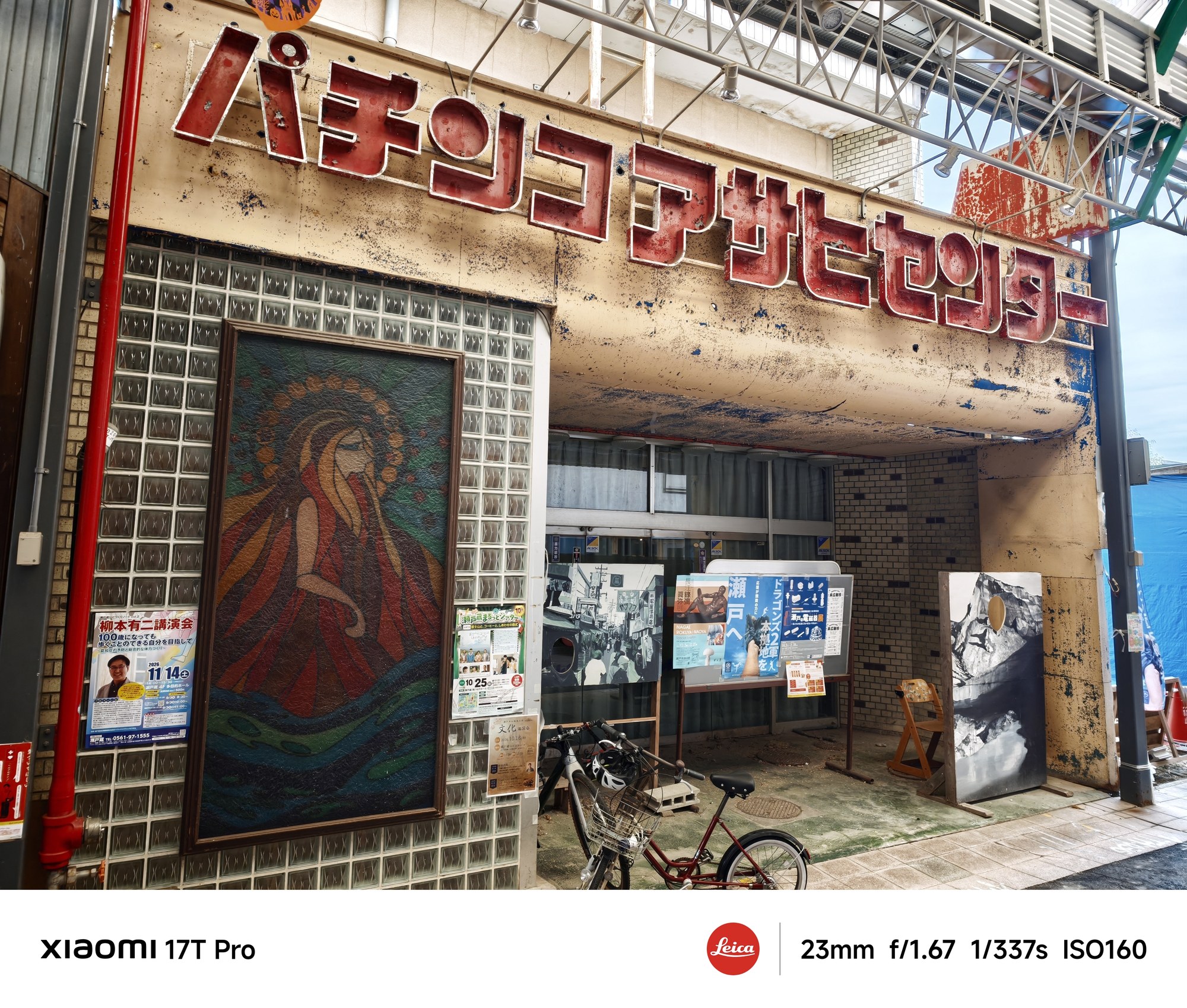
It’s a retro shopping street where some shops have closed for good but still look exactly as they did when they were open.
But there are also stylish places — cafés rebuilt while keeping that Showa-era feel, and spots with coworking spaces attached. And then there are good old-fashioned eateries, too. I loved the mix of old and new.
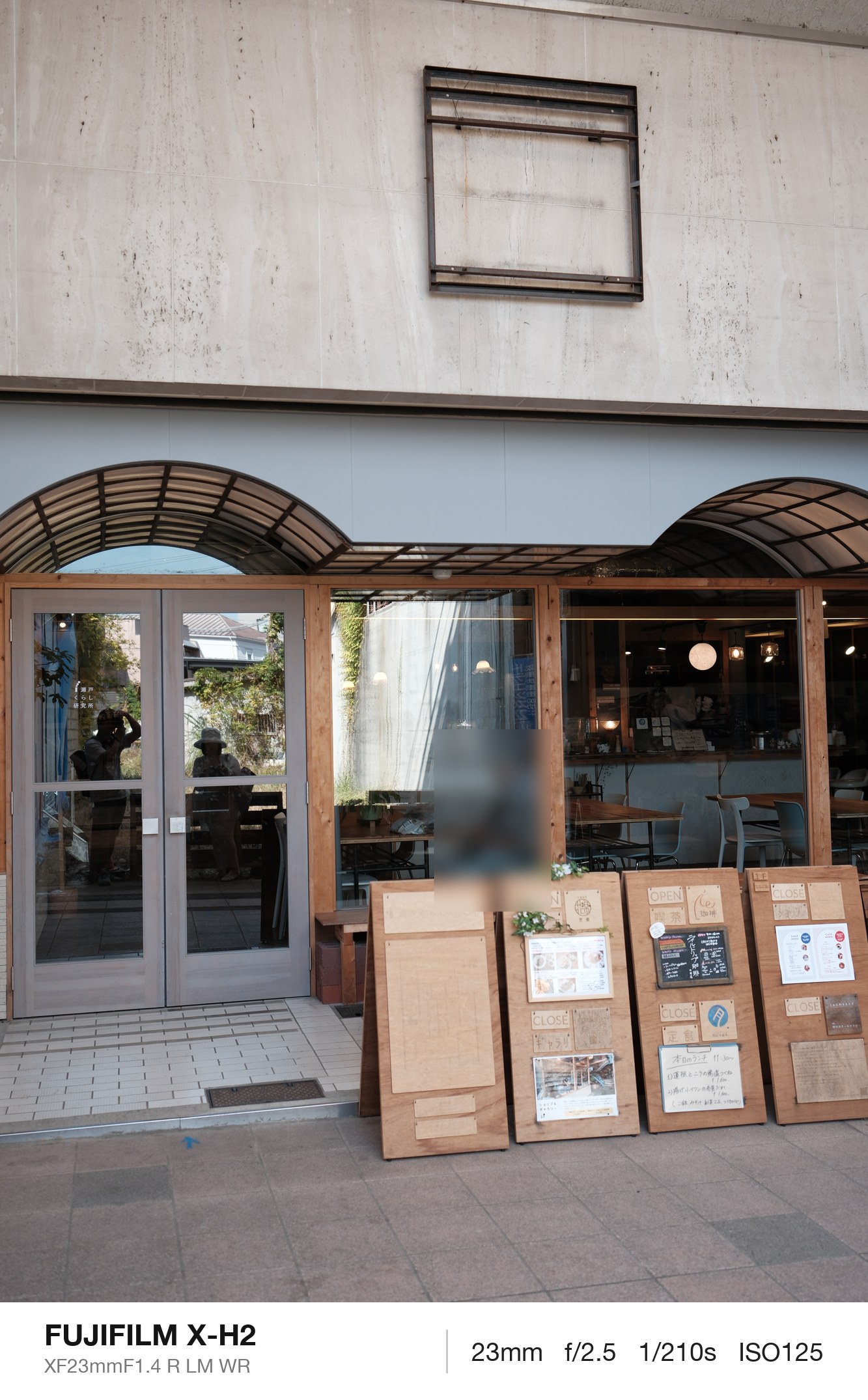
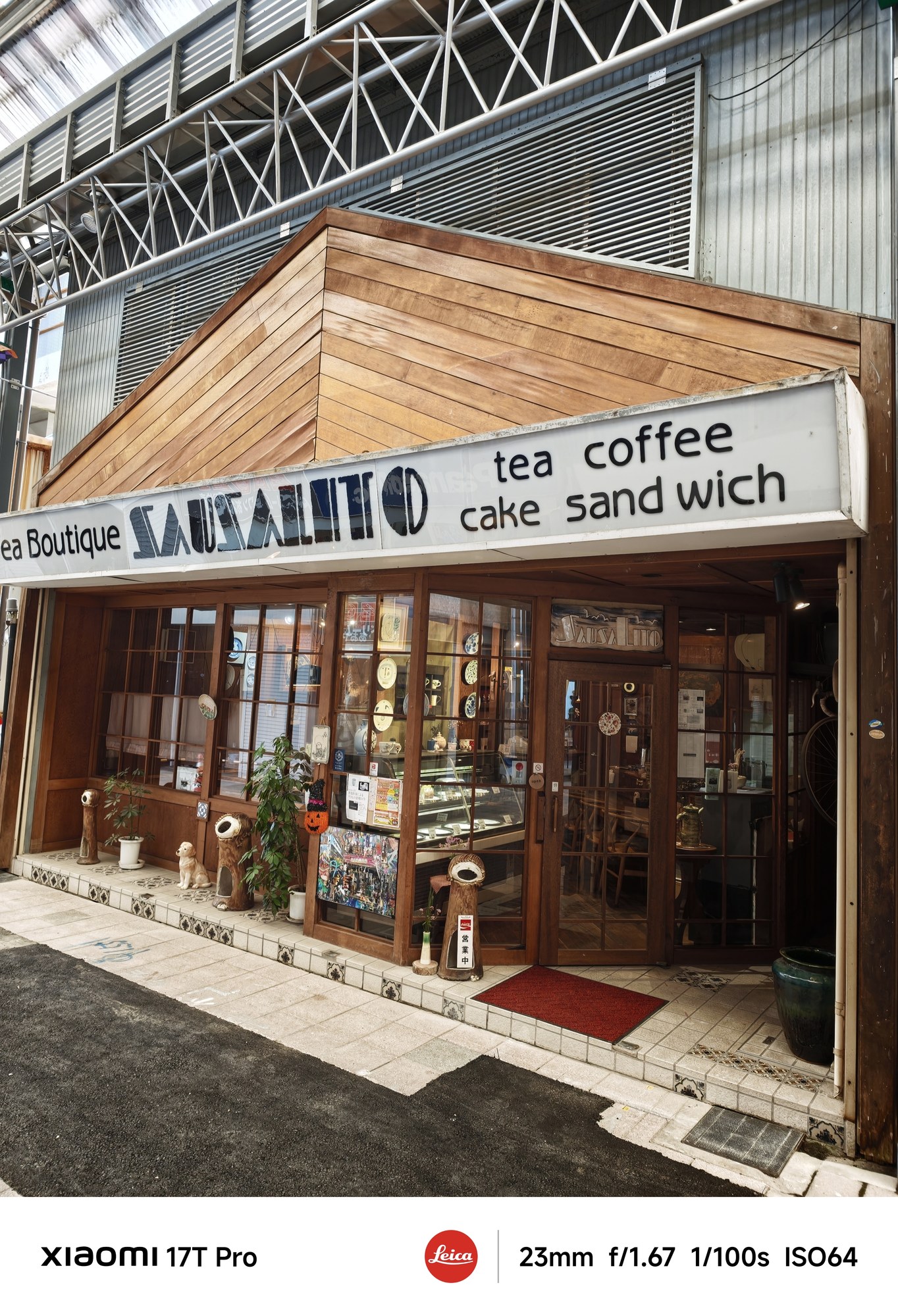
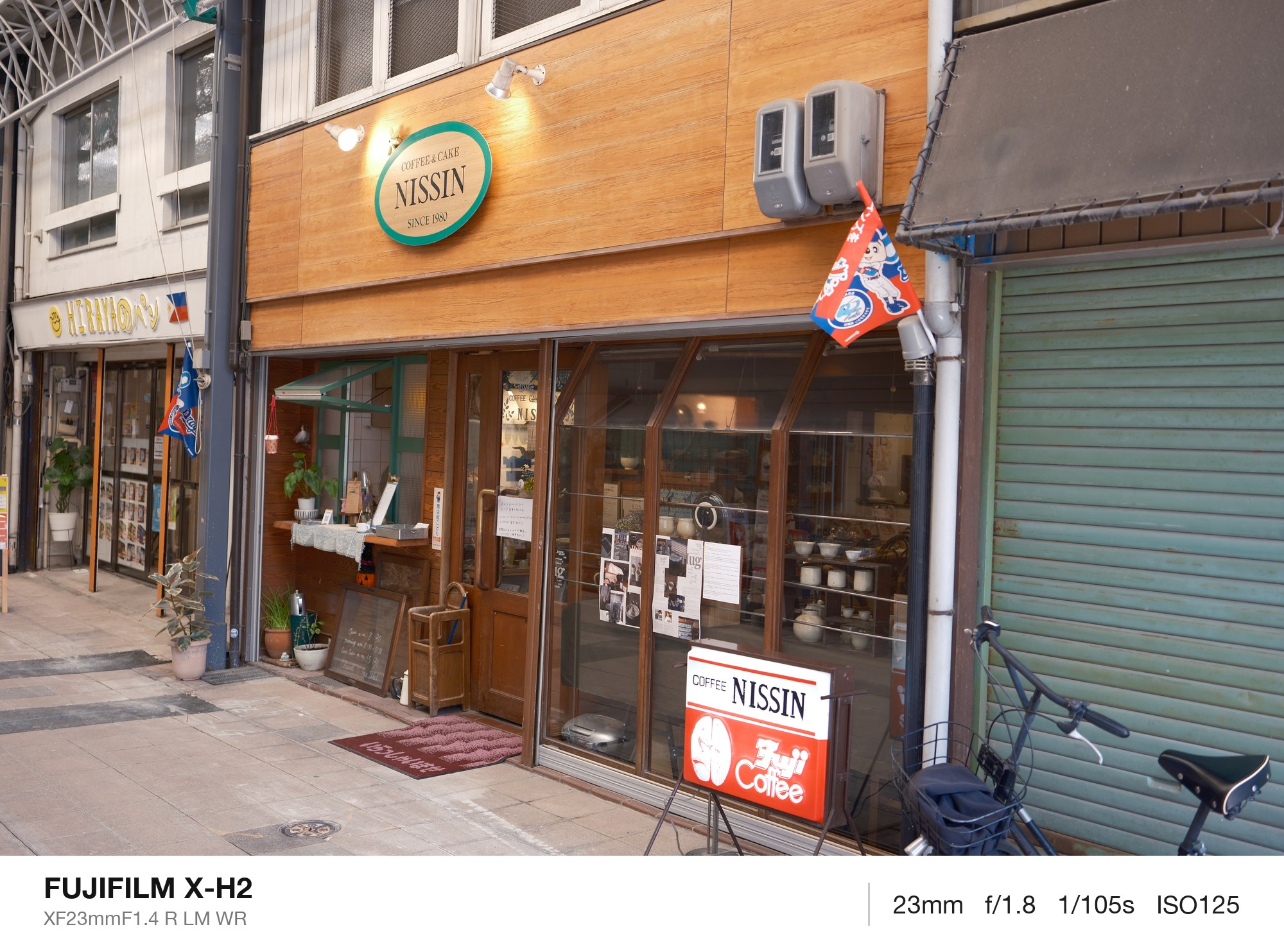
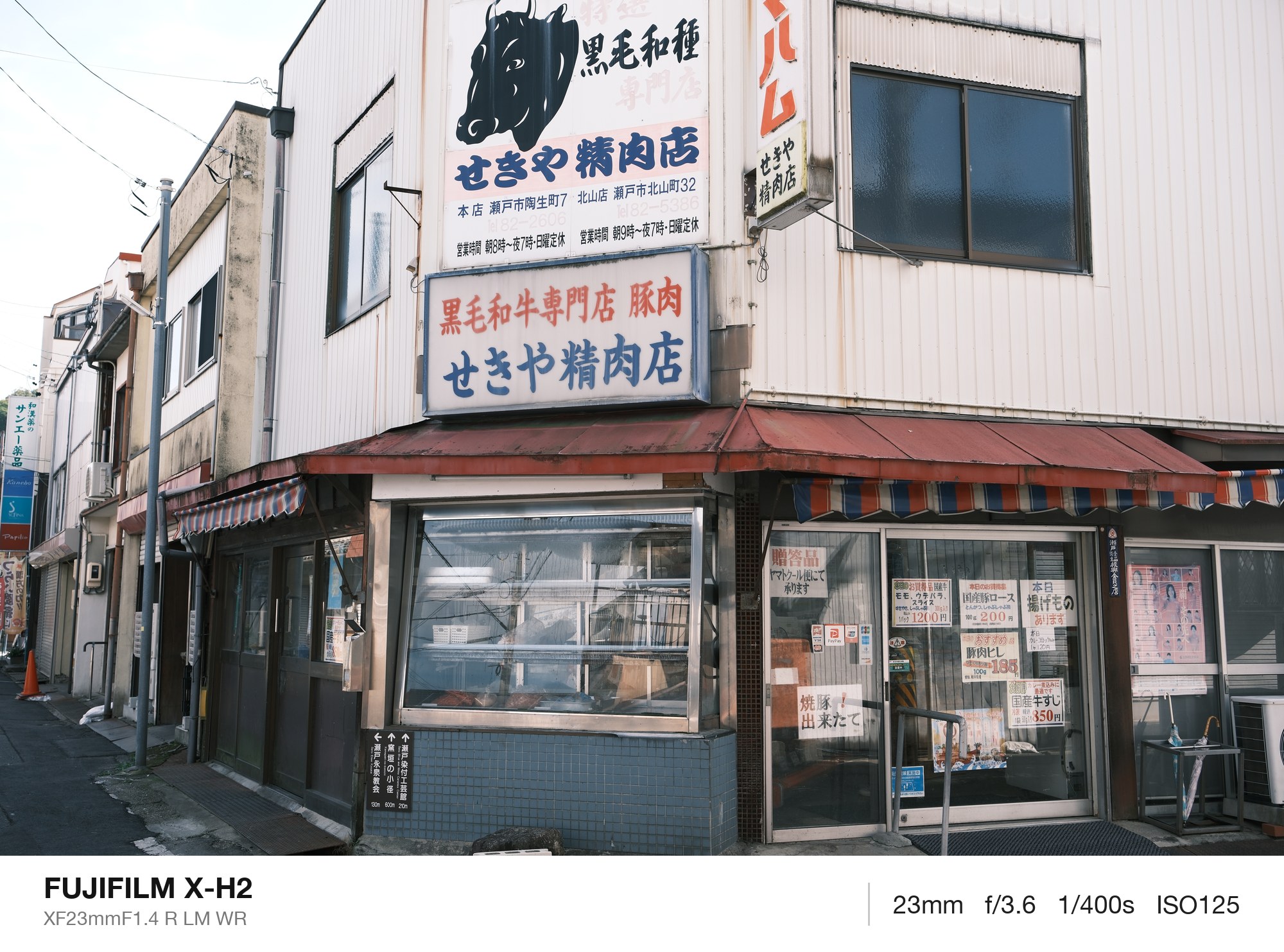
By the way, I read that at its busiest, the shopping street had about 70 member shops. There’s even a small comedy theater called Seto Suehiro-tei that uses an empty storefront.
11:17 I stepped into Piaf, a porcelain figurine shop
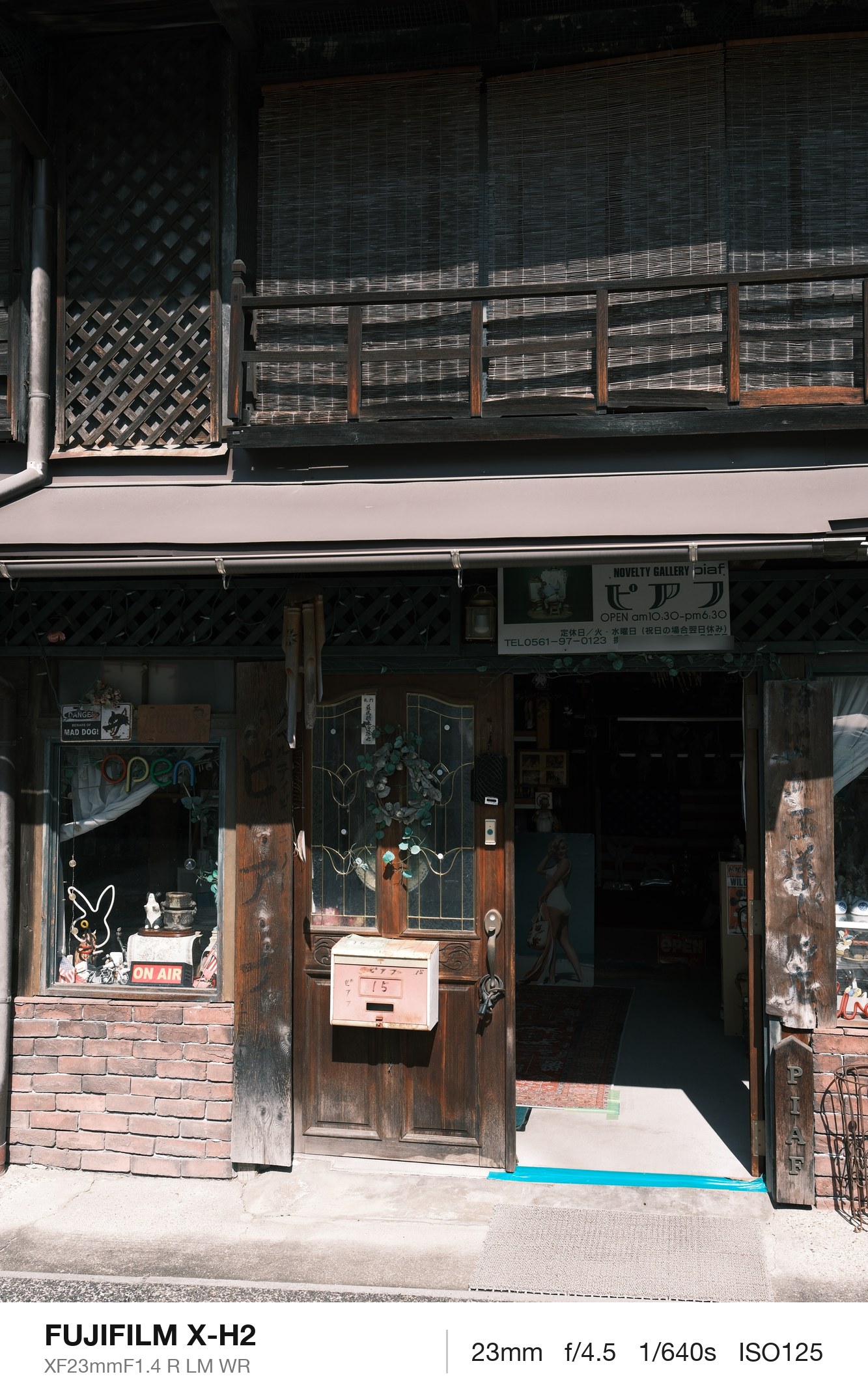
Past the shopping street, walking through a residential area, I came across Piaf, a shop selling porcelain figurines.
It looked so charming that I worked up the courage to go in. The owner started talking to me right away and explained the pieces one by one with so much love.
According to the owner, Seto used to make porcelain figurines and export them overseas. Now there are far fewer makers, and almost nothing is exported anymore. Most of what’s in the shop is out of production, and many pieces can’t be found anywhere else.
The owner said the shop was once on Nandemo Kanteidan, a popular Japanese TV appraisal show, and the back of the shop was lined with expensive porcelain figurines.
Photos weren’t allowed inside, so I don’t have any, but there were even Disney characters made in porcelain — hardcore fans would love it.
What is “Seto novelty”?
The shop sign said “NOVELTY GALLERY,” so I looked it up when I got home.
Porcelain figurines and ornaments made in Seto are called Seto novelty. Their golden age ran from the Taisho to the Showa era (roughly the 1910s to the 1980s), and they made up more than half of Japan’s total production and were Seto’s biggest industry.
Almost all of it was made for export, and by the 1960s there were more than 300 makers. From the late 1980s, the strong yen and a changing market made production drop sharply. That matched what the owner told me — “we hardly make them anymore.”
Because it was all made for overseas markets, I also read that Seto novelty was barely known inside Japan.
A Norman Rockwell corner in the back
In the back of the shop was a special corner for Norman Rockwell, an artist the owner said every aspiring painter knows. His paintings had been turned into porcelain figurines, and the owner talked about each one with real passion.
According to the owner, Rockwell was brilliant at light and shadow, and many painters learned from him.
Here’s what I found out about him:
- An American illustrator and painter (1894–1978) who painted the everyday lives of ordinary Americans with humor and warmth
- He painted 323 covers for the American magazine The Saturday Evening Post over 47 years
- From around 1935, he posed family, friends and neighbors like a film director, photographed them, and projected the photos onto paper to make his drawings
The owner also mentioned a “cut-and-paste technique,” but I couldn’t find anything clear about it. Maybe it means he built his compositions by combining several photos?
While researching, I also found this: from the 1970s, Seto makers produced figurines based on Rockwell’s paintings and exported them to the United States.
Turning a flat painting into a 3D figure meant imagining and filling in the parts the painting doesn’t show. I don’t know whether Piaf’s figurines were made in Seto, but it turns out Seto and Rockwell are connected.
11:39 Seto Hongyo Kiln, a pottery workshop since the Edo period
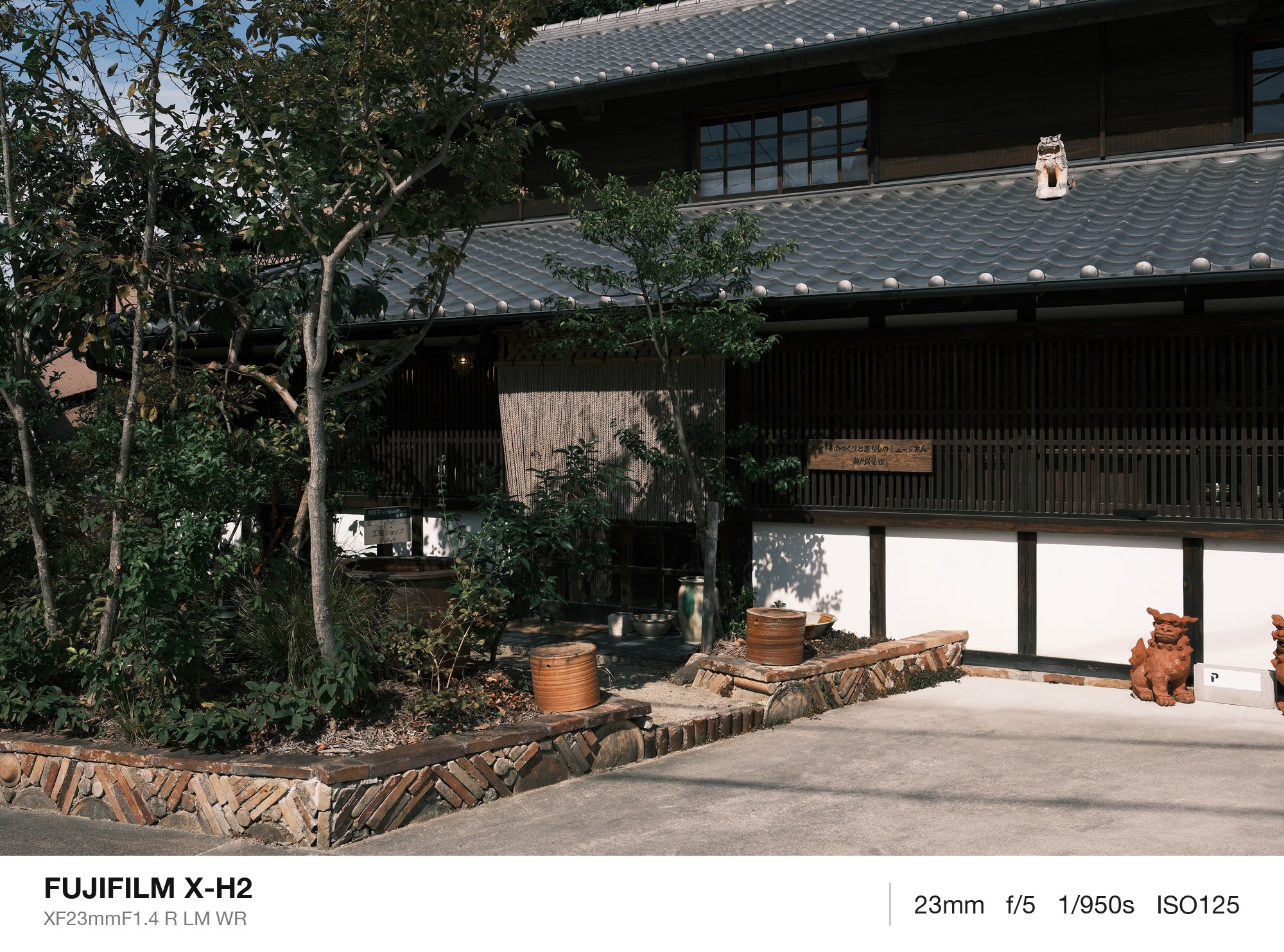
From Piaf, I walked on to my first real destination of the day. It took about 30 minutes on foot from the station.
This is Seto Hongyo Kiln, a pottery workshop said to date back to the Edo period. It’s now also a museum, and the big climbing kiln (noborigama) inside is no longer used but has been preserved, and you can tour it for a fee.
Photos with a DSLR weren’t allowed, so I couldn’t take pictures inside.
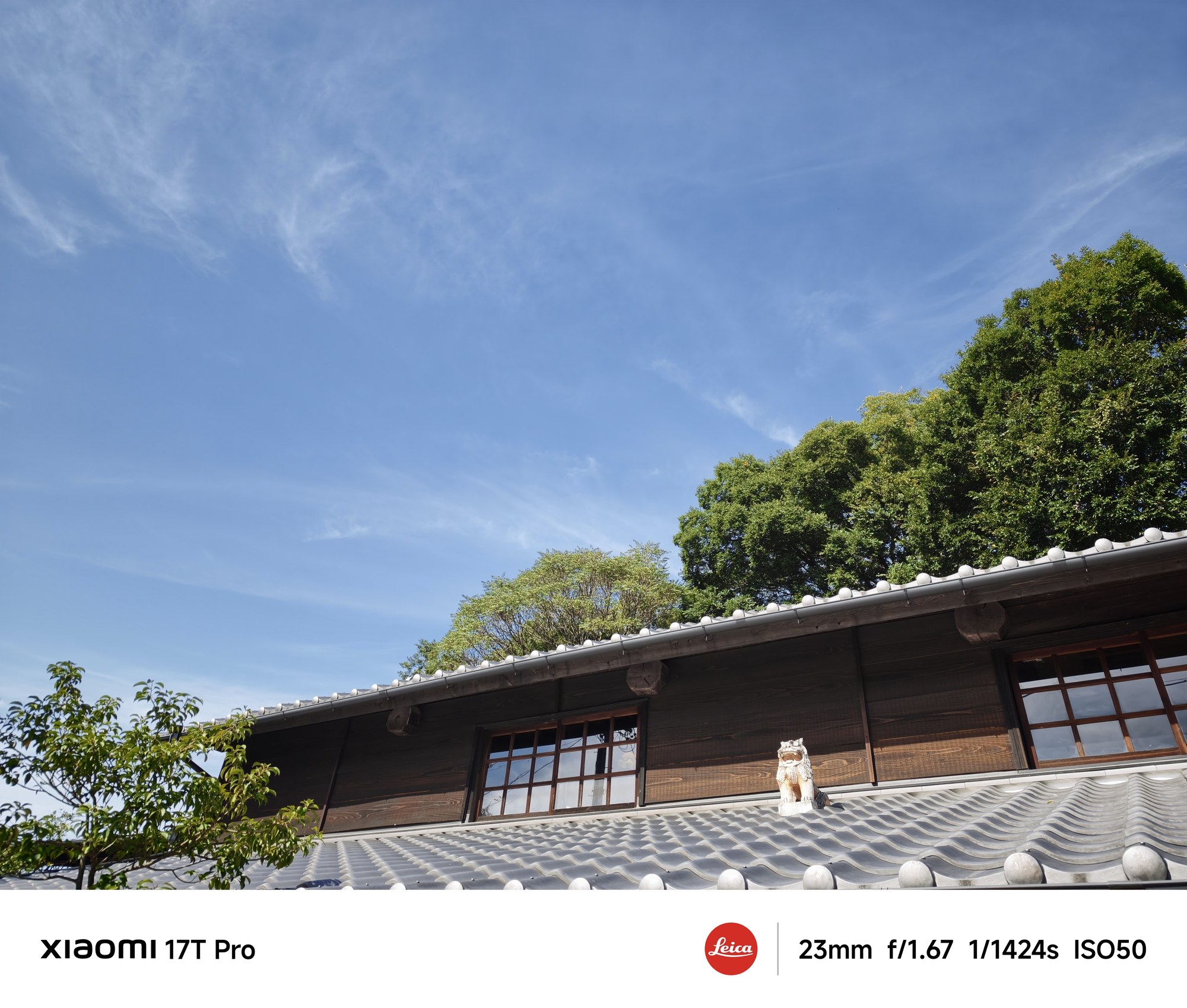
It turns out the workshop has been running since the late Edo period, still making pottery the traditional way with clay and glaze (the glassy coating on pottery) from the Seto mountains.
The preserved climbing kiln is 14 meters long with four chambers, and the current one was rebuilt in 1949. There are only two hongyo kilns left in Seto City, and this is one of them. In 2022, they also opened a museum called the Seto Mingei-kan.
11:40 Lunch at Yakuzen-cha Soybean Flour, next to the kiln
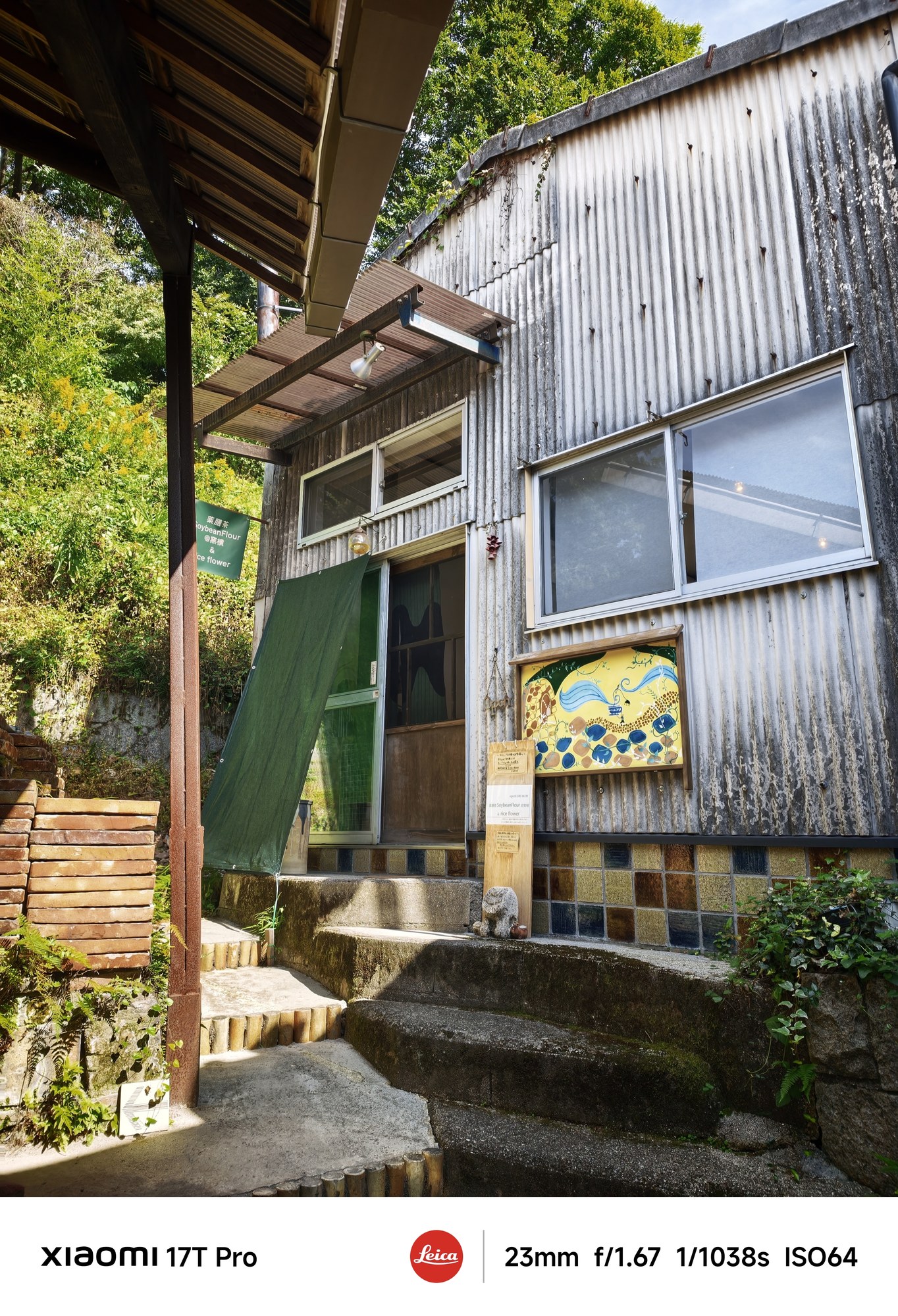
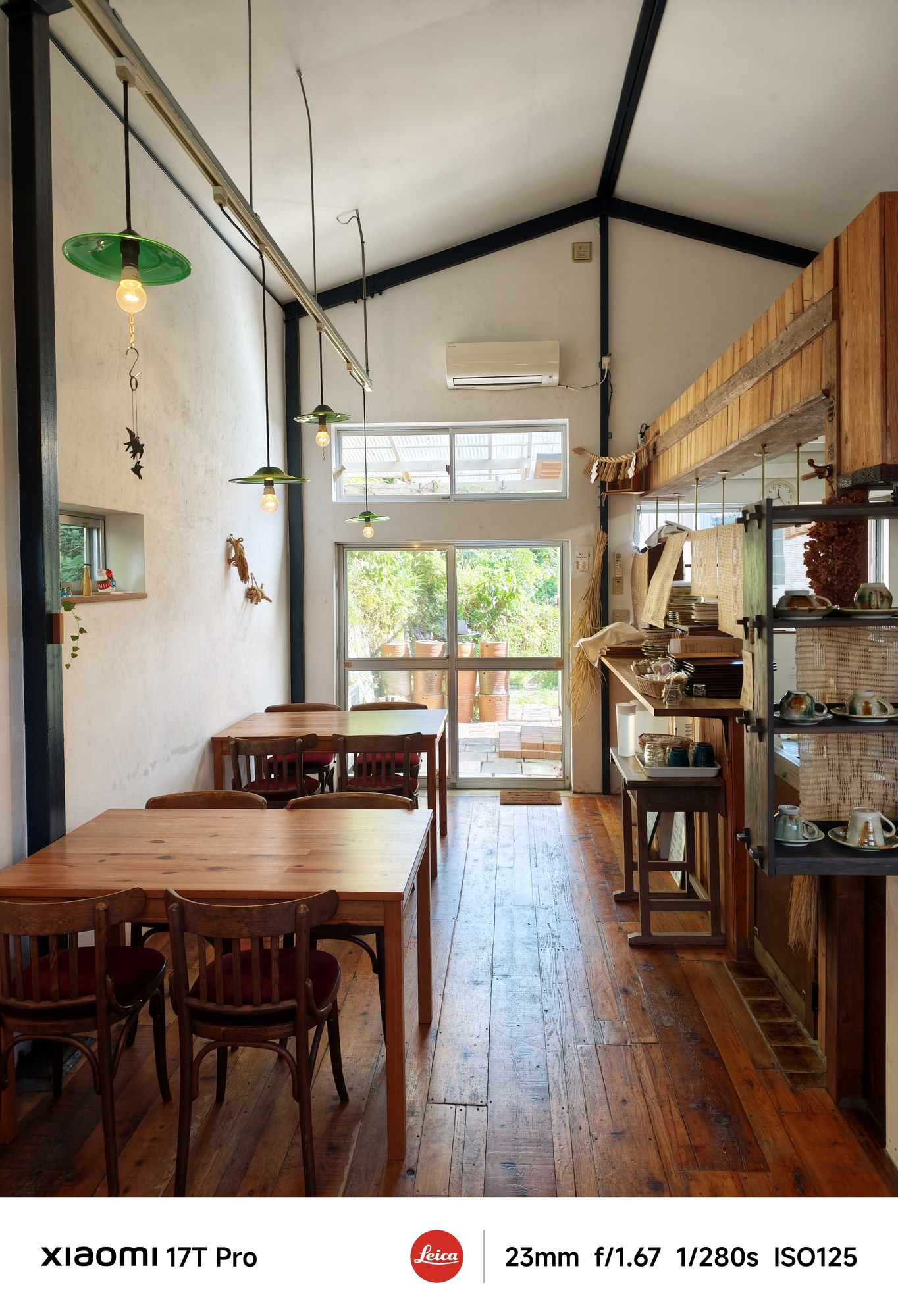
My lunch spot was Yakuzen-cha Soybean Flour, right beside (behind) the kiln.
You’d never guess from the outside how stylish it is inside.
The owner told me the name means kinako — roasted soybean flour. Kinako is “soybean flour” in English, of course.
It was very quiet that day, with no other customers, so the owner kindly told me all about the food, the kiln, and even Seto City.
Since it’s a yakuzen (medicinal food) café, they only buy vegetables from farmers they know personally. The owner knows so much about every single vegetable and taught me a lot.
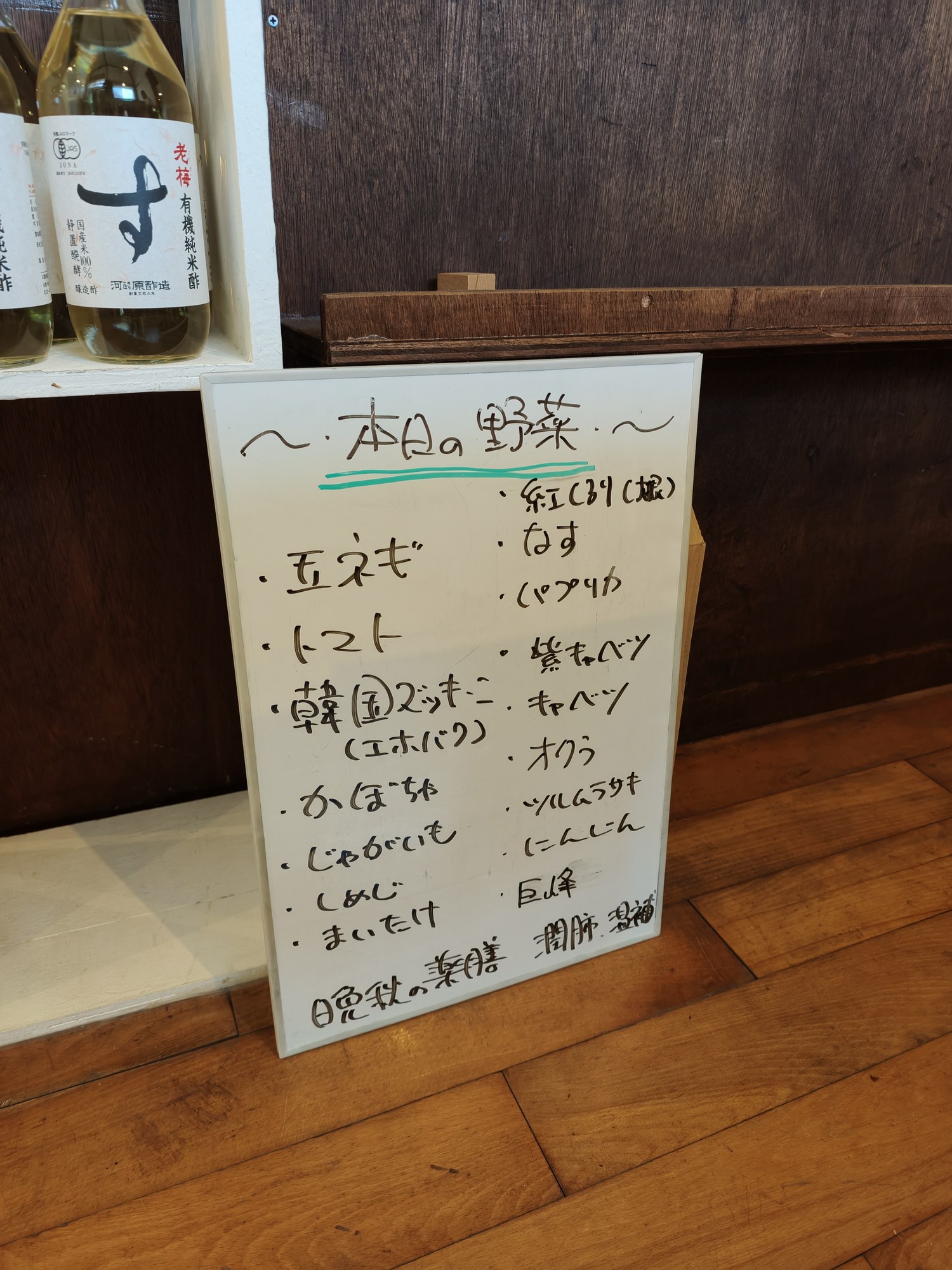
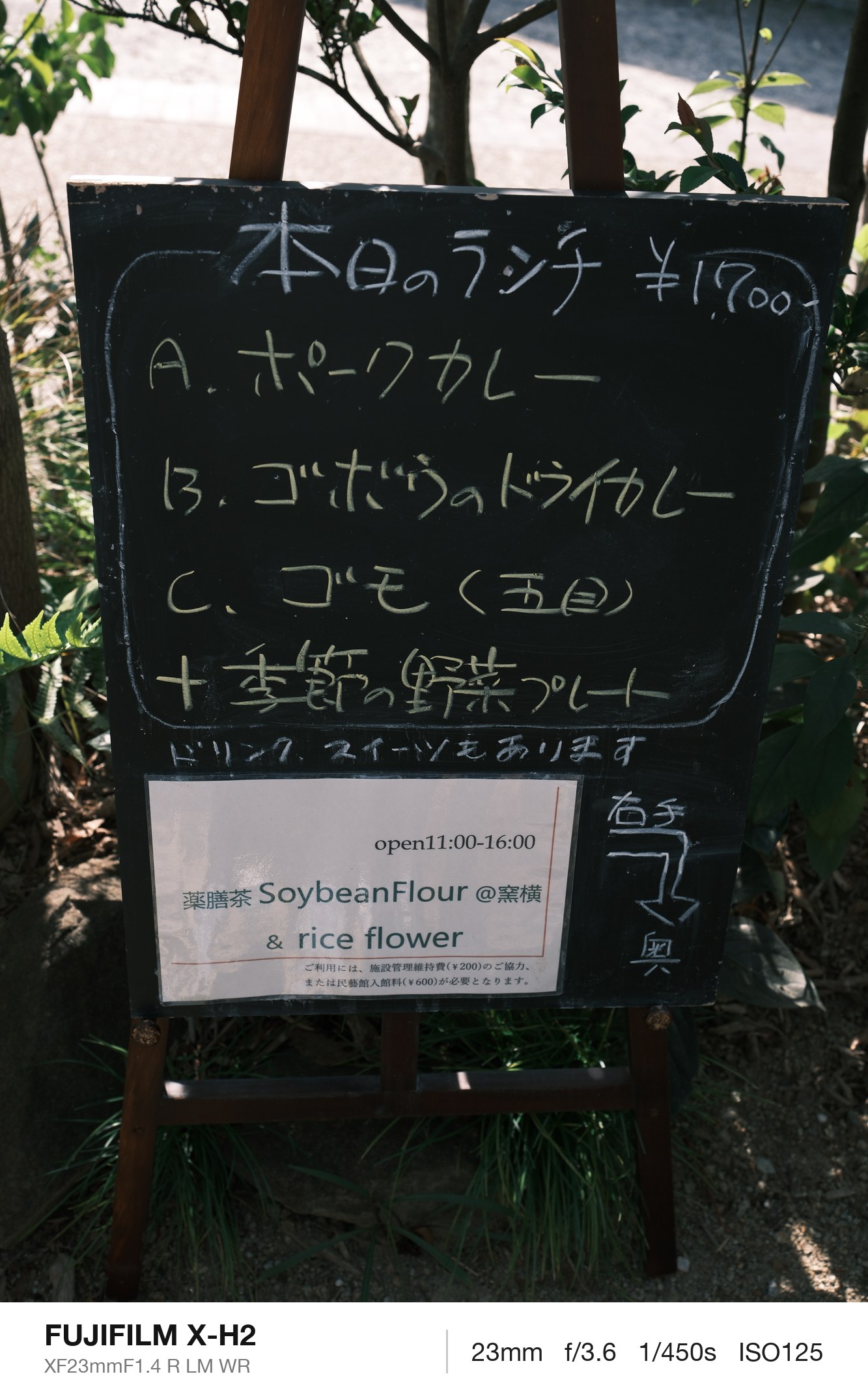
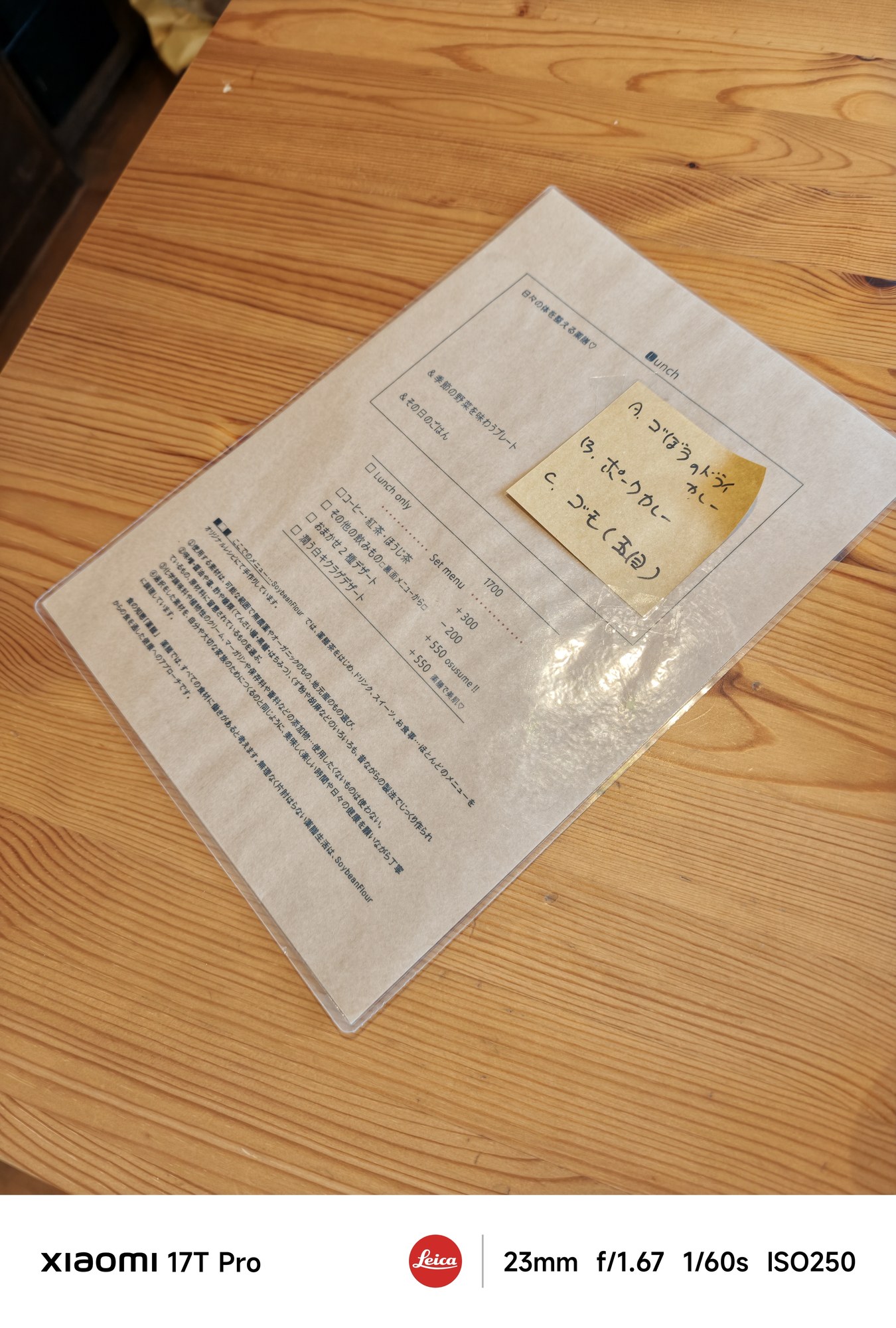
From the day’s lunch menu, I chose the burdock dry curry, which comes with a plate of assorted vegetables.
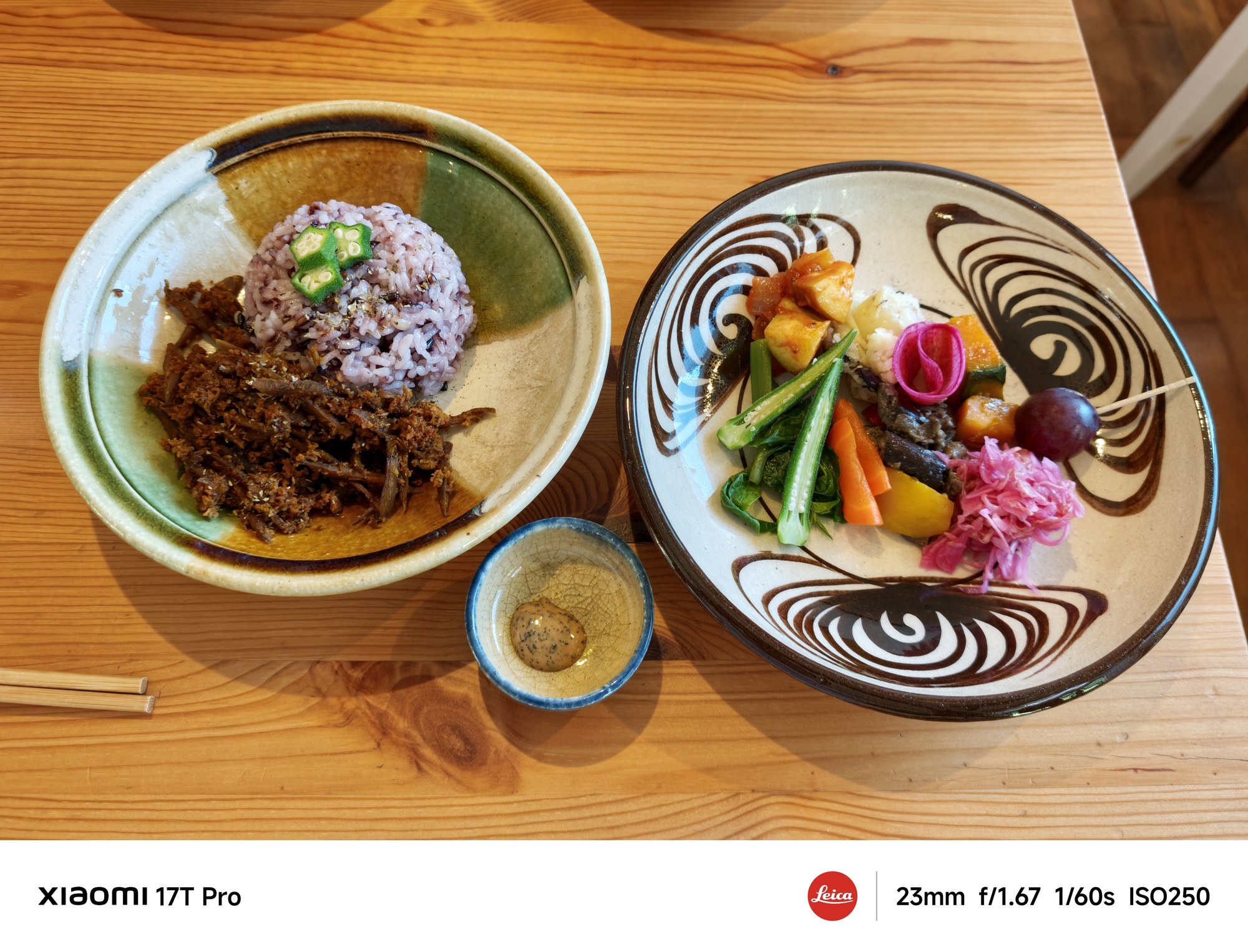
Eating something so good for my body made for a really lovely time ♪( ´▽`)
To use this café, there’s a 200-yen per person facility maintenance fee (or the 600-yen admission to the Seto Mingei-kan). On the day I went, I was told that if you pay the 200 yen at the café and mention it at the museum shop downstairs, the kiln tour drops from 600 yen to 400 yen (this is what I was told when I visited in October 2026).
🍛 Yakuzen-cha Soybean Flour
| Location | Next to Seto Hongyo Kiln — 愛知県瀬戸市東町1-6 |
|---|---|
| Access | 20–30 minutes on foot from Owari-Seto Station (Meitetsu Seto Line) |
| Hours | 11:00–16:00 (from the sign at the café) |
| Lunch | 1,700 yen (with a seasonal vegetable plate) |
| Fee | 200 yen per person facility maintenance fee (or 600-yen Seto Mingei-kan admission) |
| Kiln website | Seto Hongyo Kiln |
* Information from my visit in October 2026. Opening days, hours and prices can change, so please check Google Maps before you go.
13:14 The Kamagaki Path and its museum, recommended by the café owner
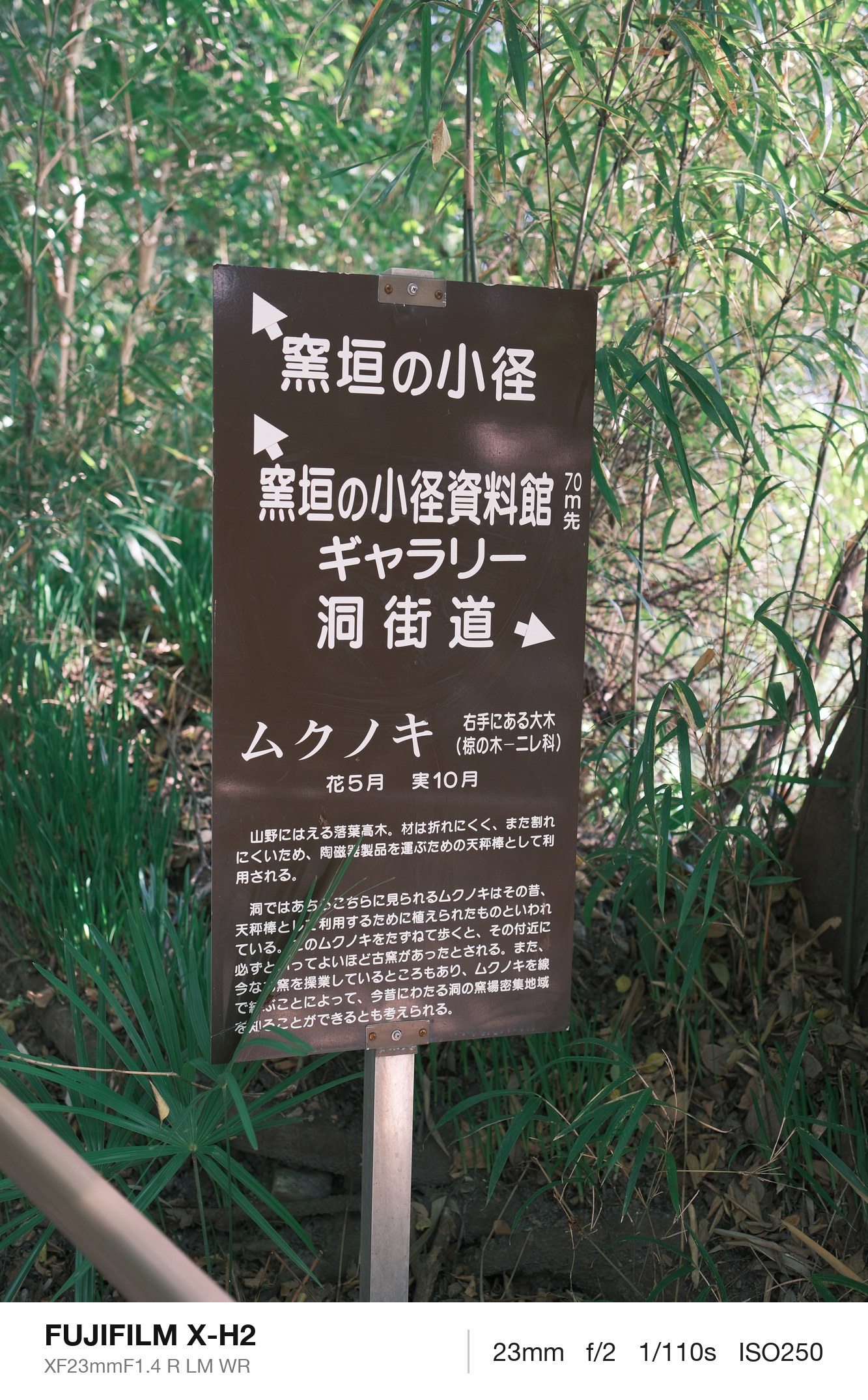
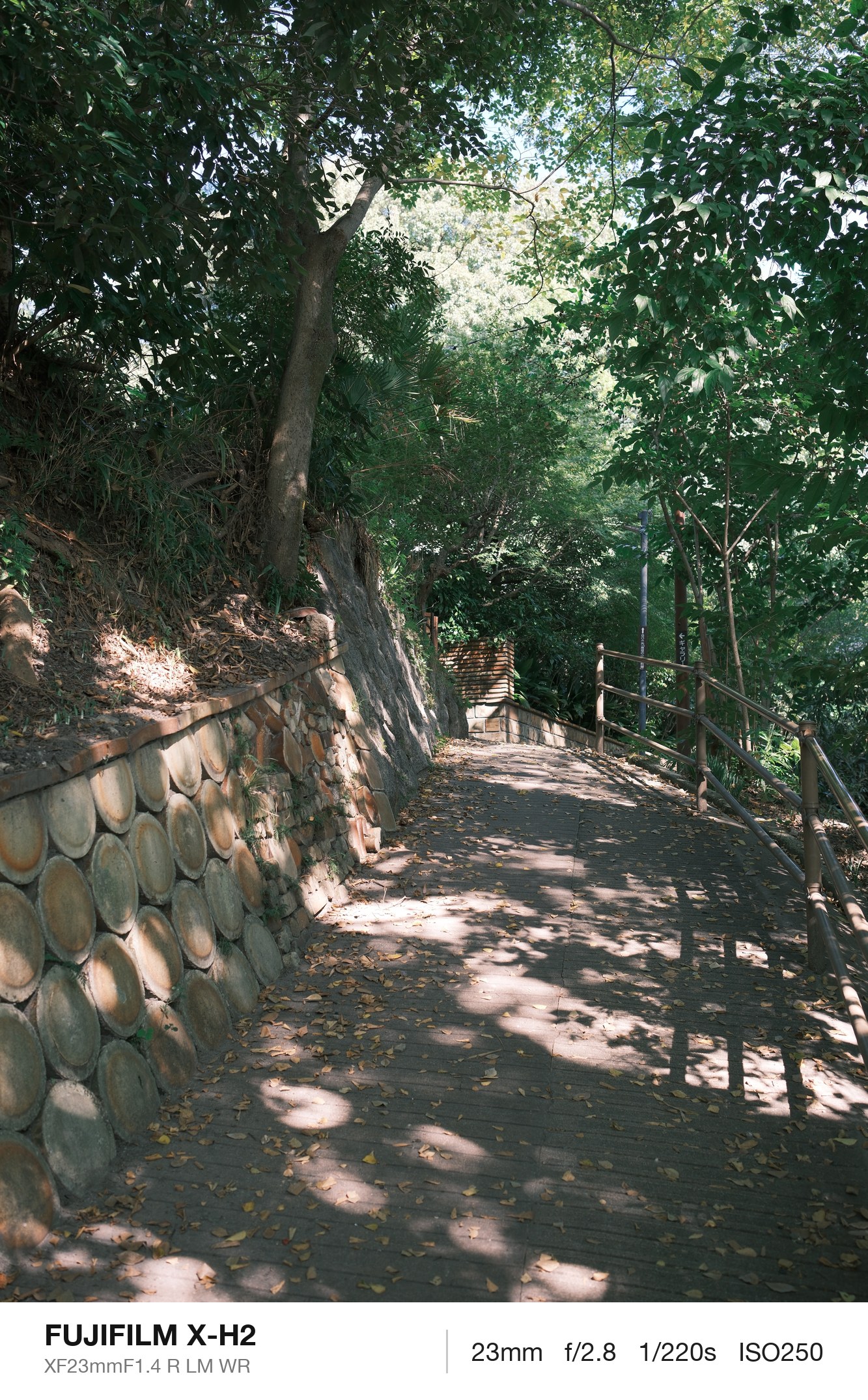
After lunch, the café owner said, “There’s a historic spot on your way back — go take a look.” It was the Kamagaki Path and the Kamagaki Path Museum along it.
This wall made of stacked round discs is called a kamagaki (kiln wall). Kiln tools such as shelf plates, used up after firing pottery, were stacked to build walls and retaining walls. They still line the path and make a unique pattern.
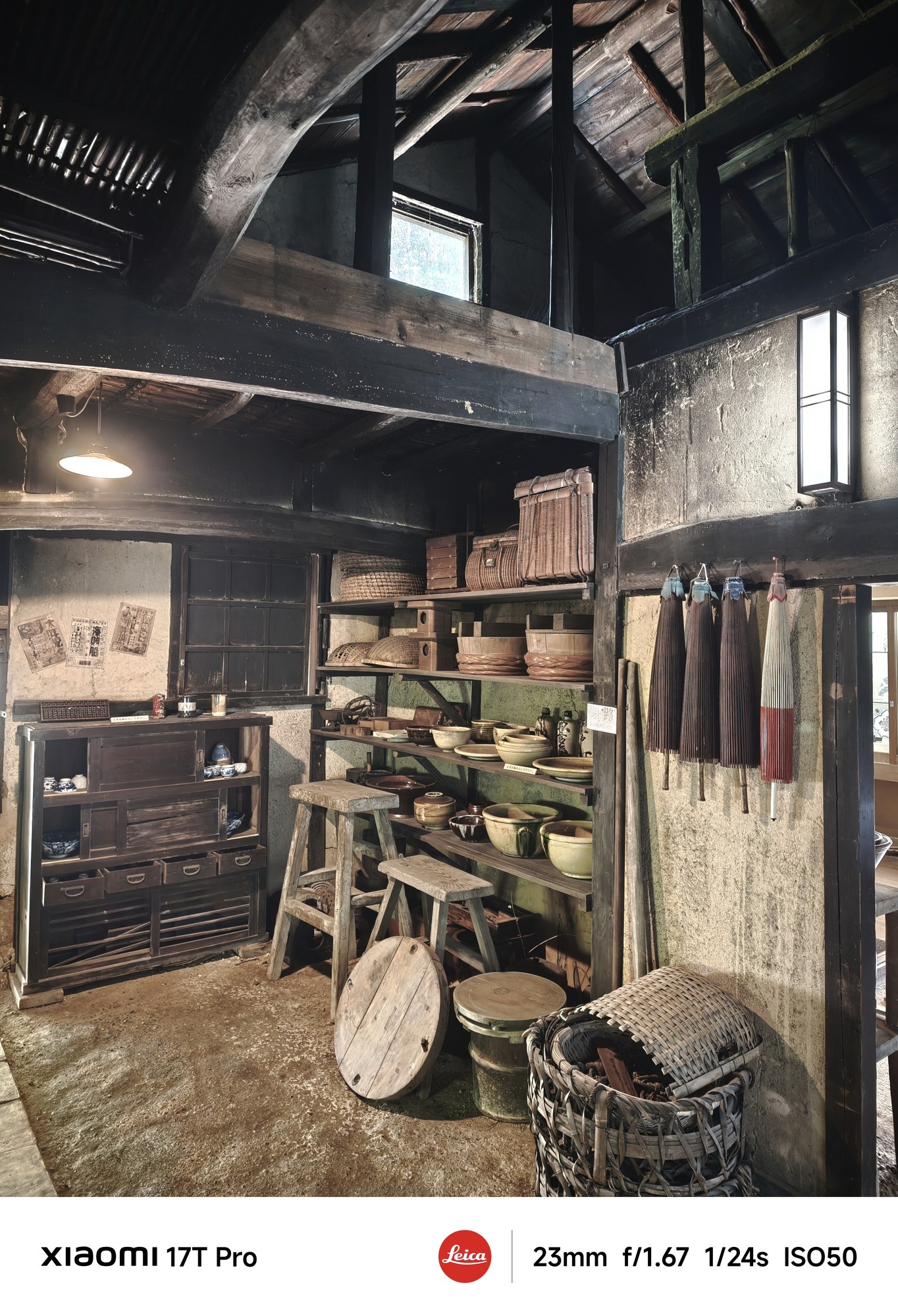
The museum is a restored Meiji-era kiln owner’s house, and I learned about the history of pottery there. The very old house has been preserved as it was, and I got lots of great photos here.
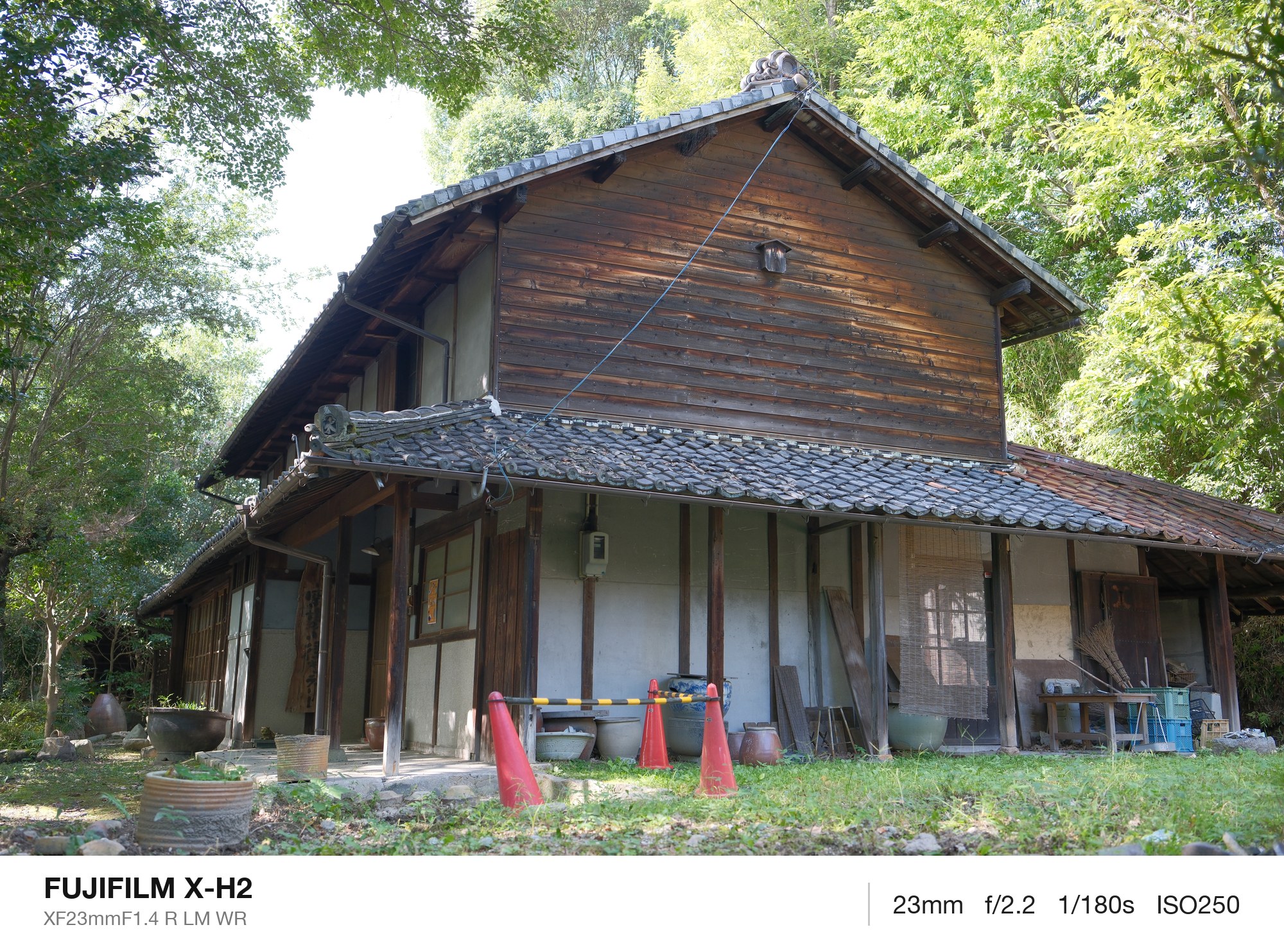
I also saw a wall lined with pottery in patterns unique to Seto. I didn’t get a photo of that one, though… (ノД`)
Apparently, a lot of hongyo tiles — ceramic tiles for bathroom and toilet walls and floors — were made around here from the Meiji to the Showa era. You can even see a bathroom and toilet covered in hongyo tiles at the museum, so if patterned pottery catches your eye, go look for it.
If you like pottery, it’s well worth the visit.
Aichi Prefecture’s official tourism site also introduces the Kamagaki Path → Kamagaki Path (Aichi Now)
13:52 Studying at VOUSHO Coffee Factory, a hidden café in Owari-Seto
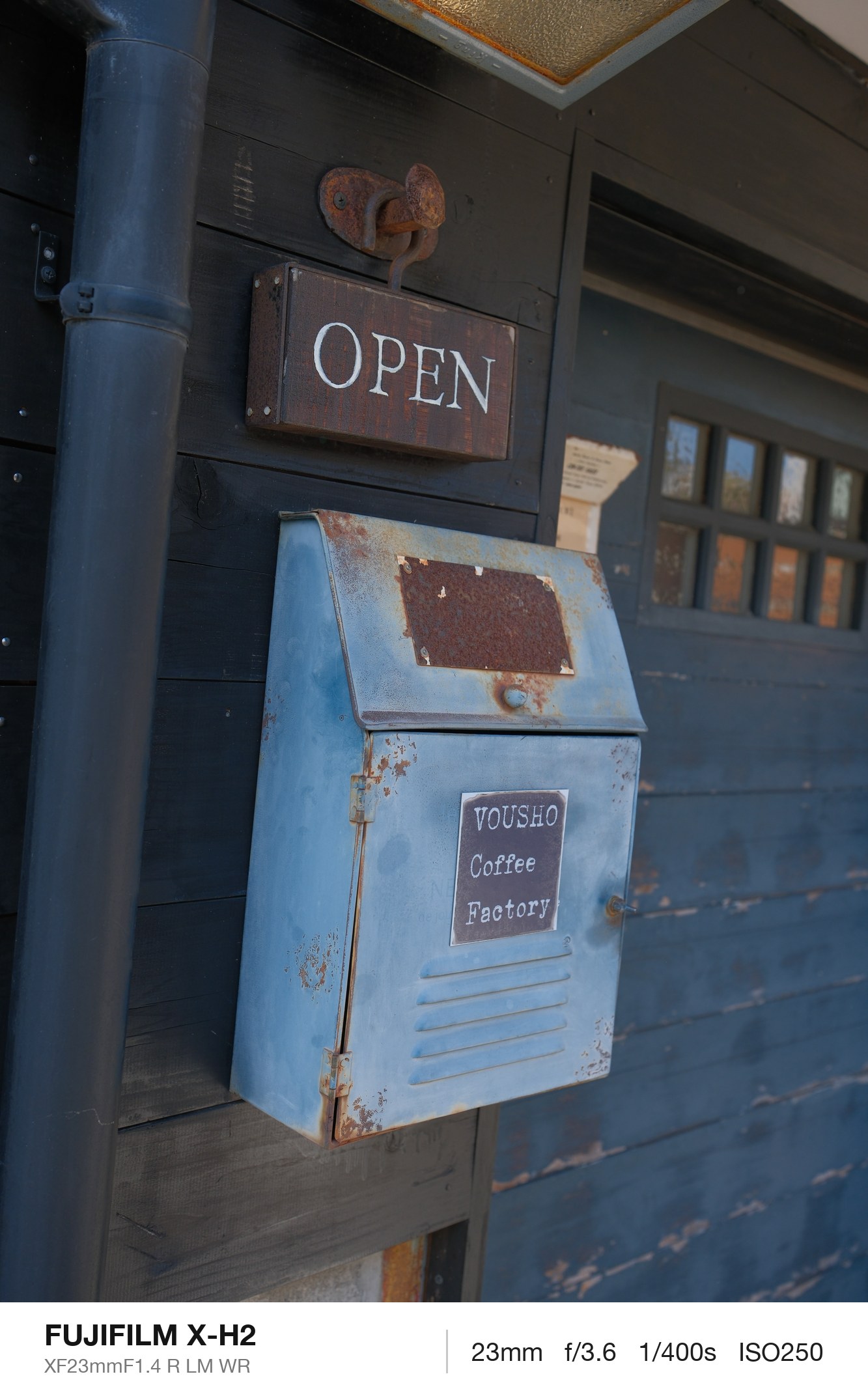
And here’s my second destination of the day — the café where I came to study English: VOUSHO Coffee Factory.
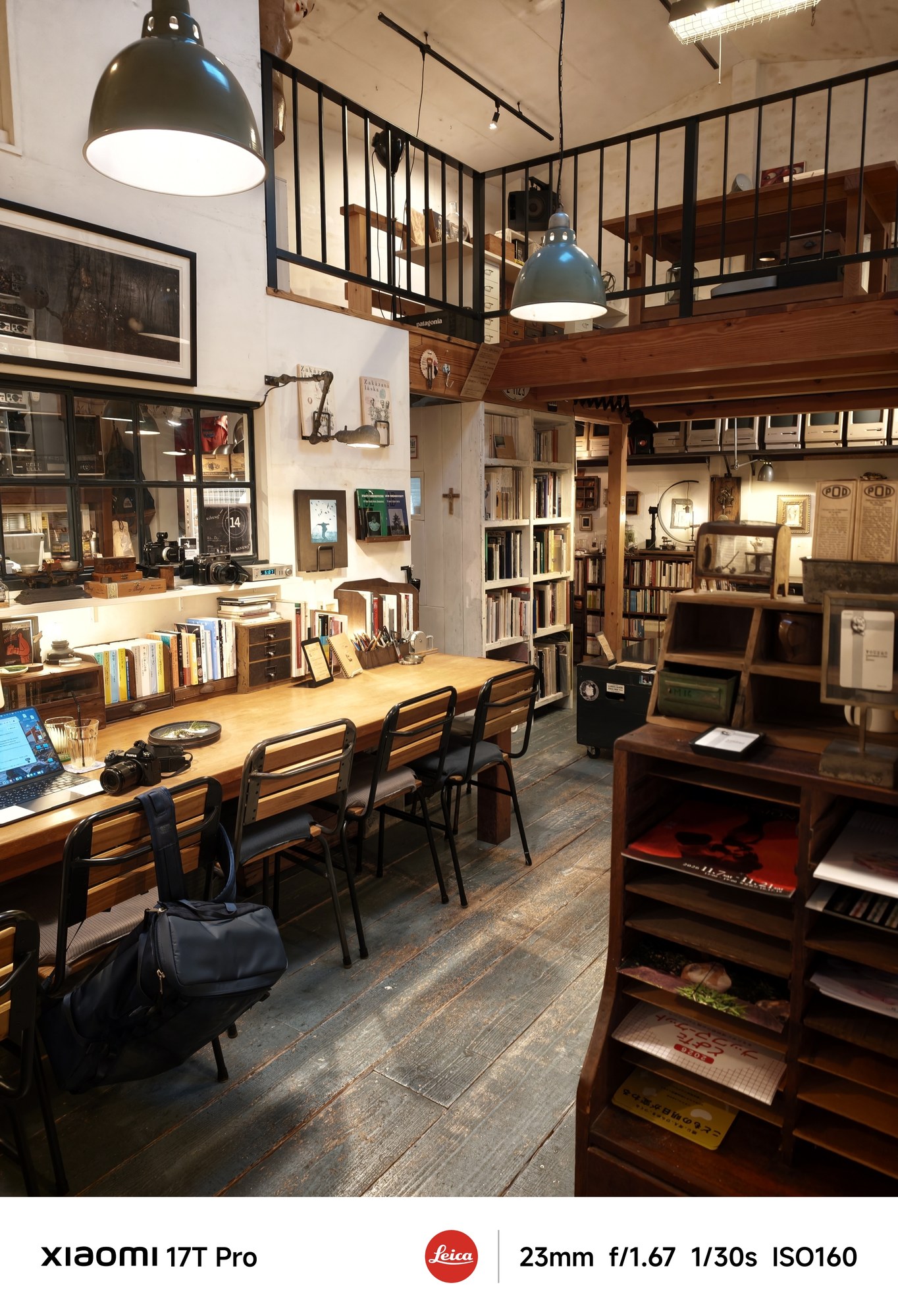
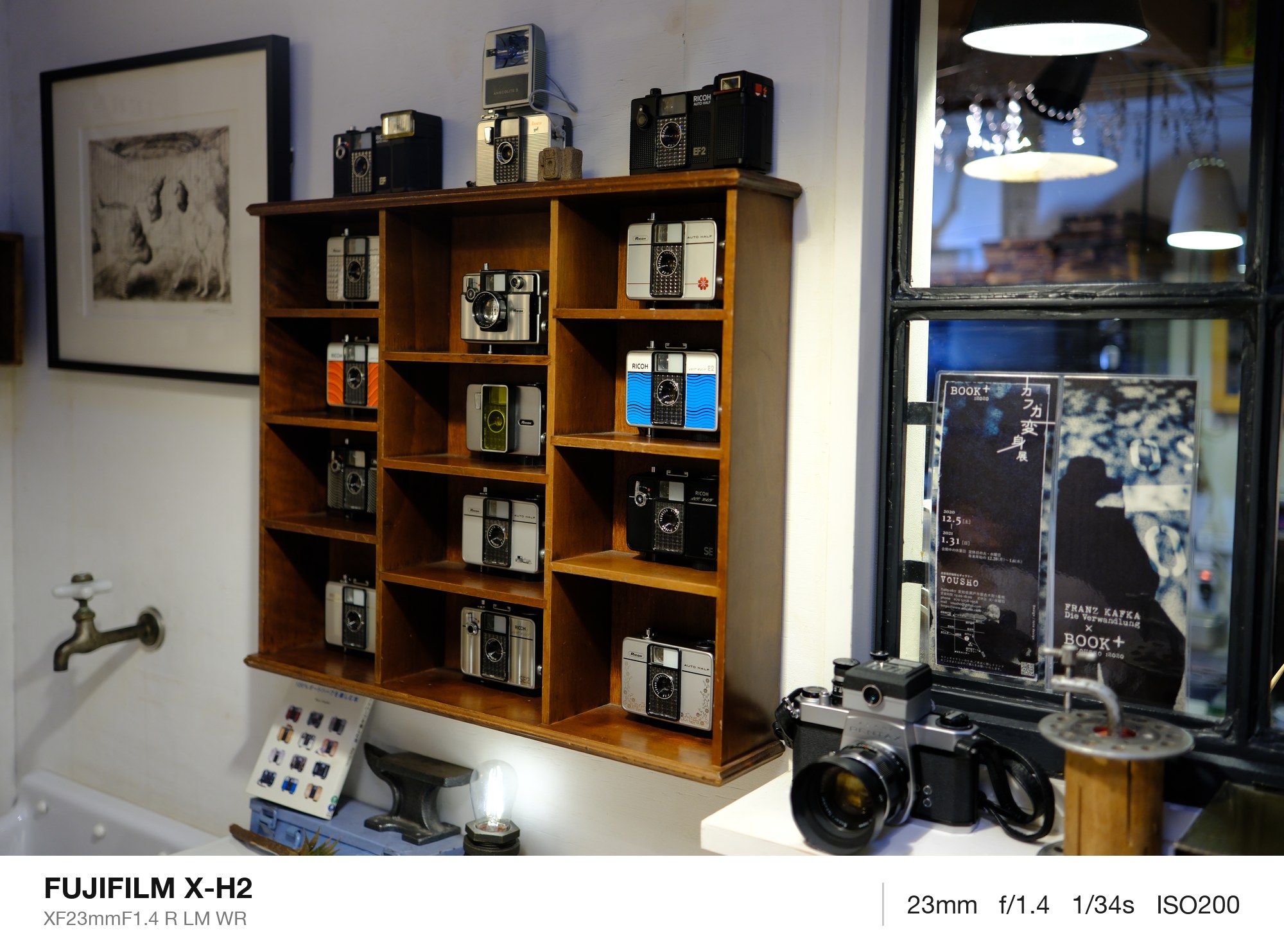
The moment you walk in, you’re overwhelmed by the owner’s lovingly collected hobby items. Everything on display belongs to the owner, who works surrounded by it all.
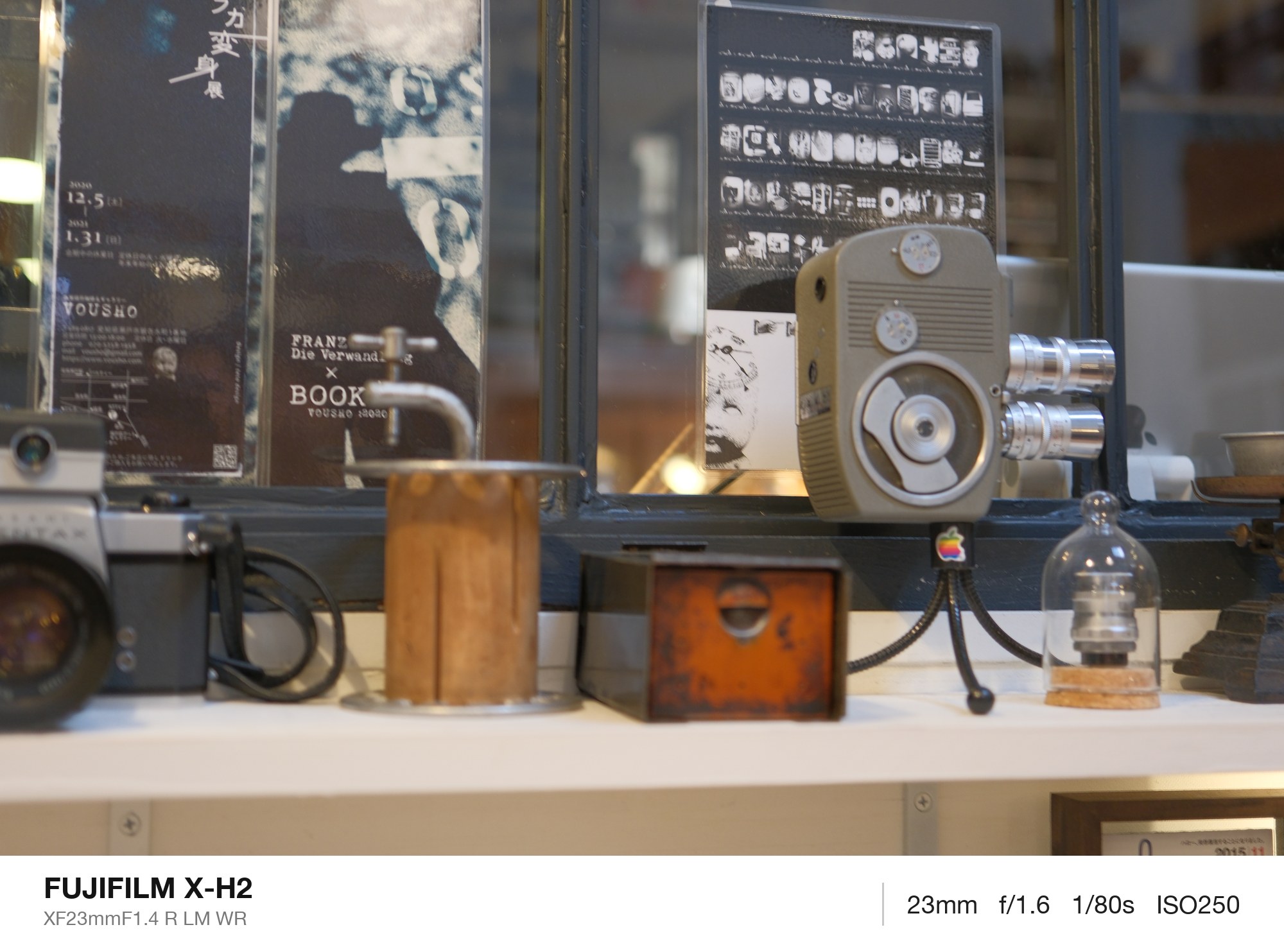
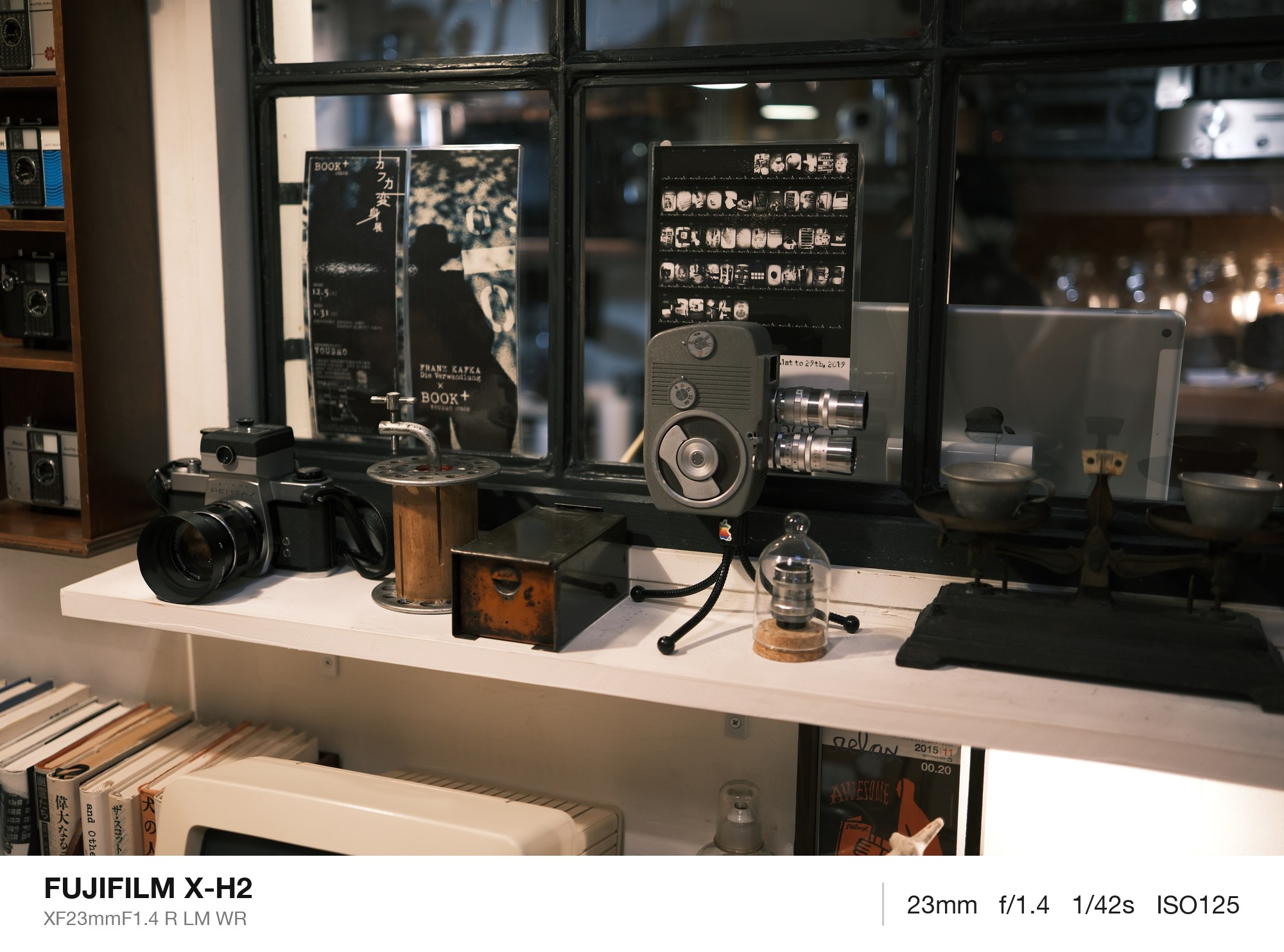
Every seat has its own little world, and wherever you sit, it’s a calm place to read, study, or chat.
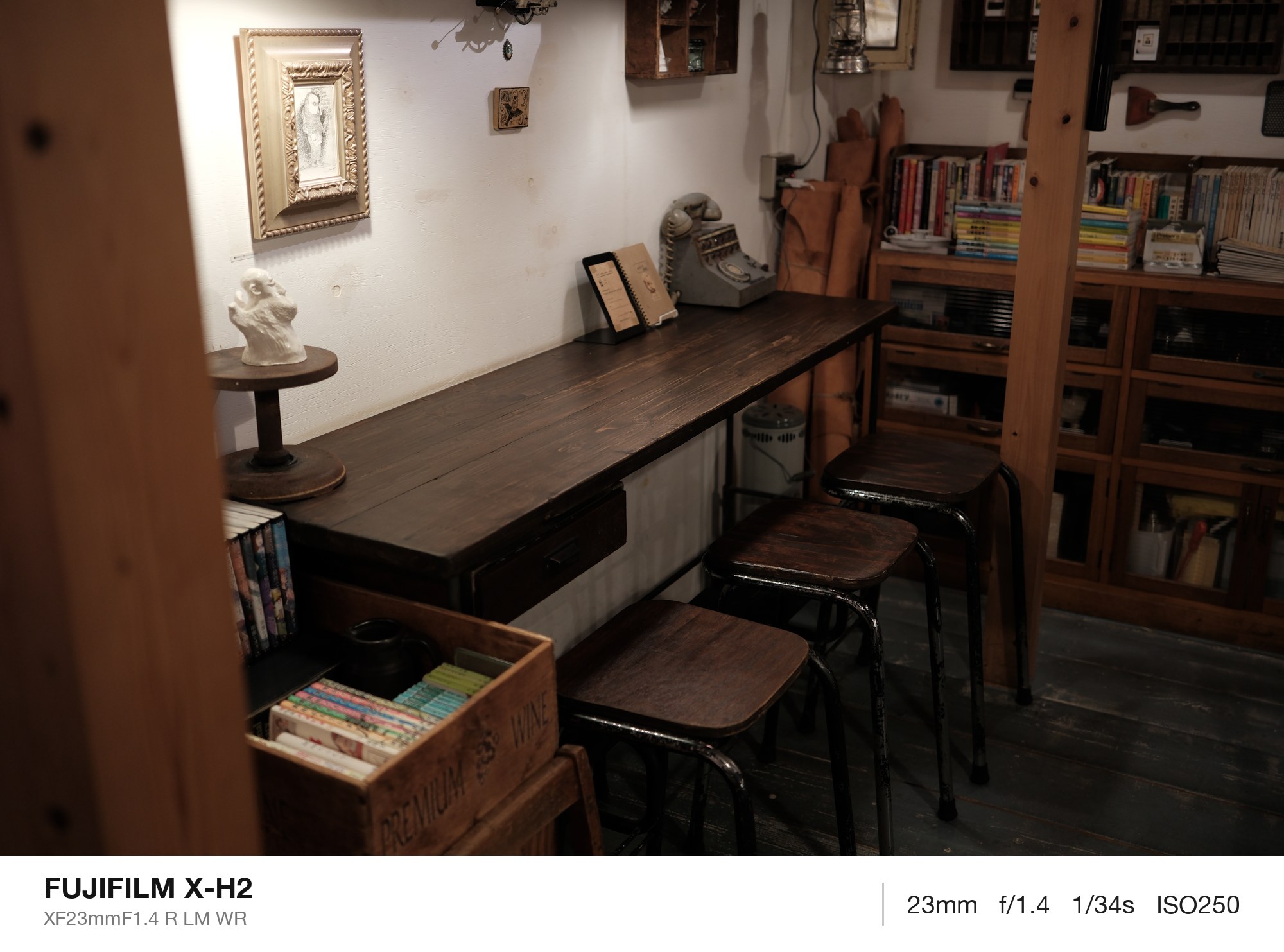
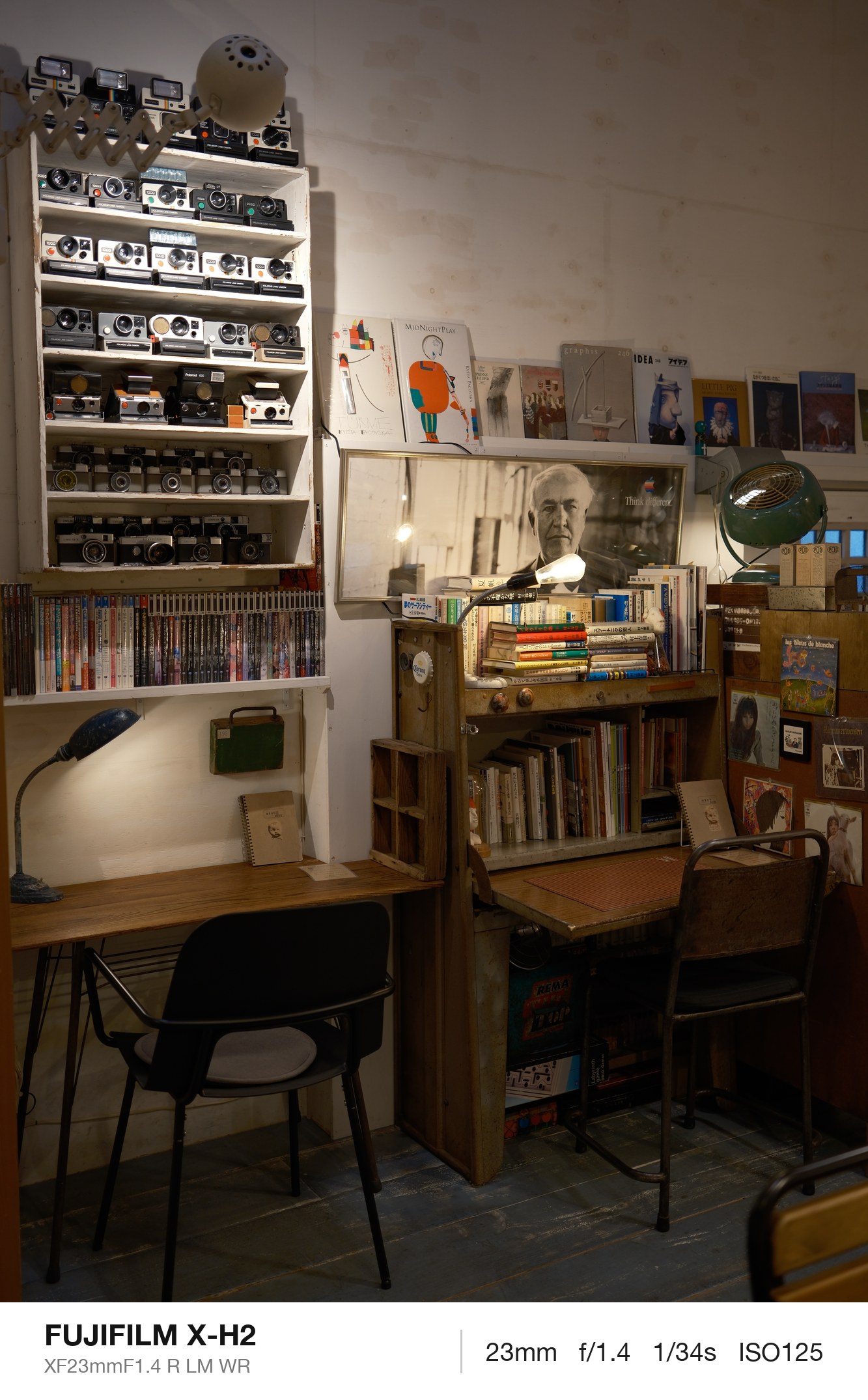
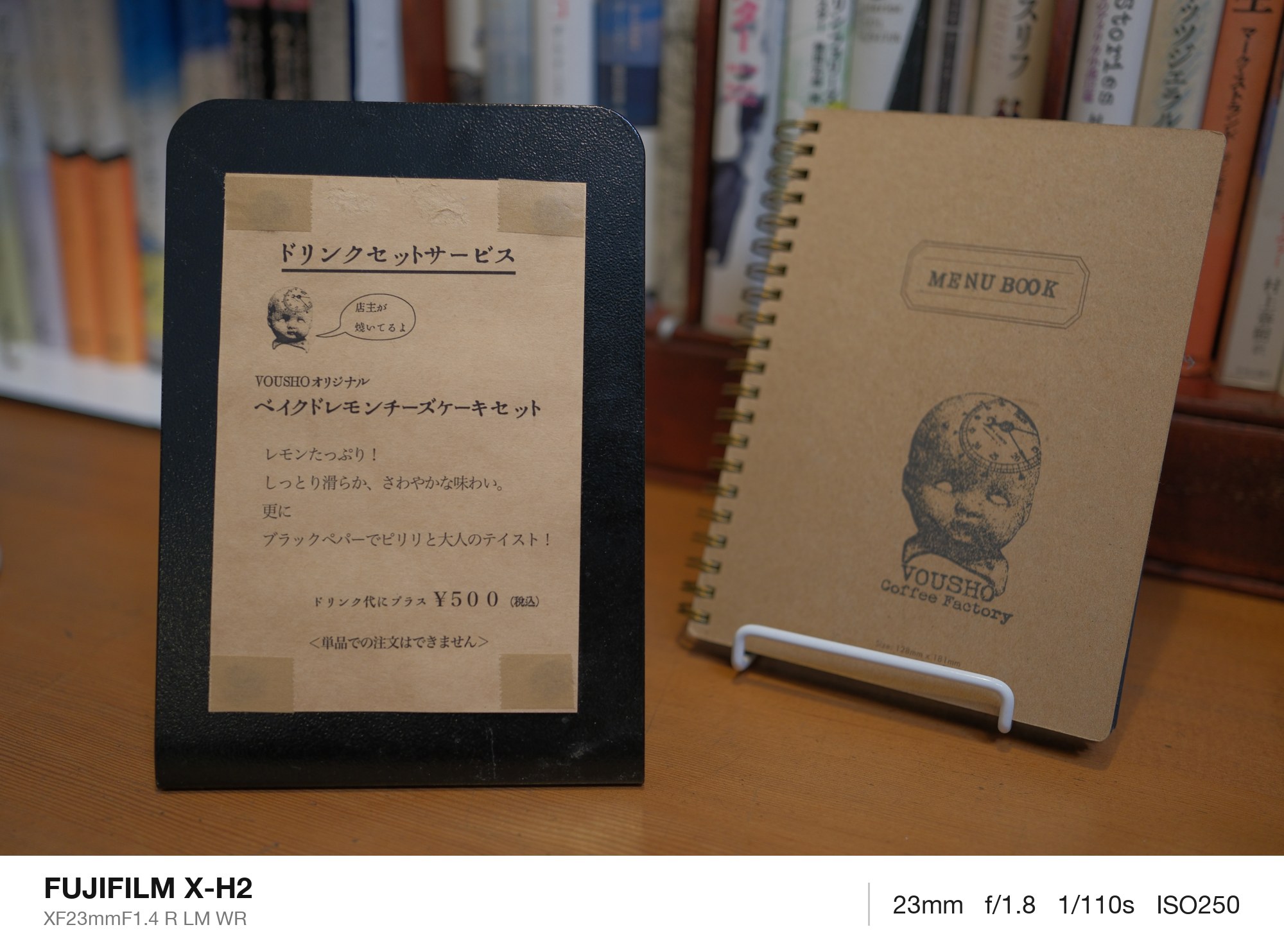
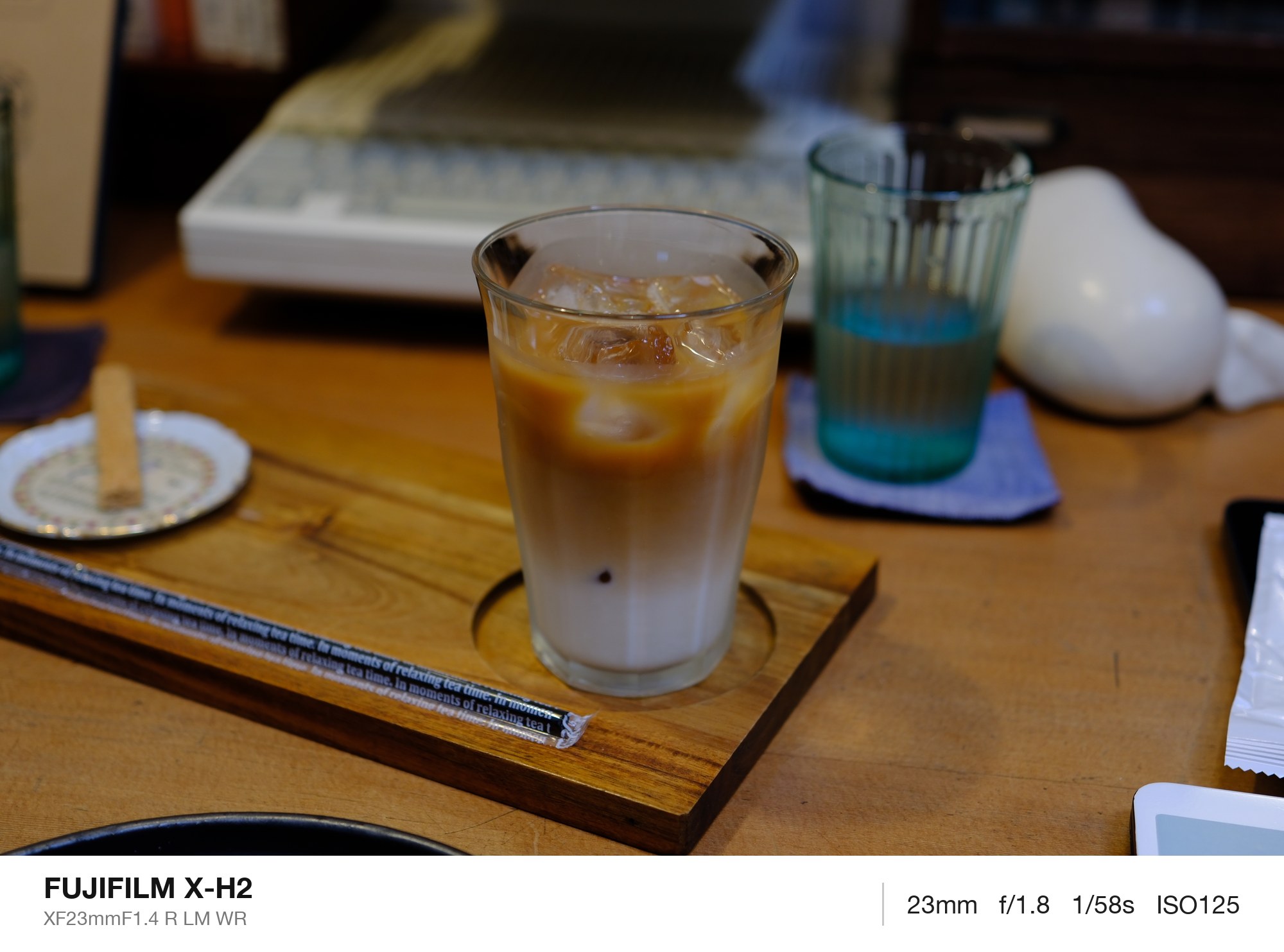
I ordered an iced drink and VOUSHO’s original baked lemon cheesecake, a set that adds 500 yen to the drink (the cake isn’t sold on its own). It’s packed with lemon, with a kick of black pepper for a grown-up taste.
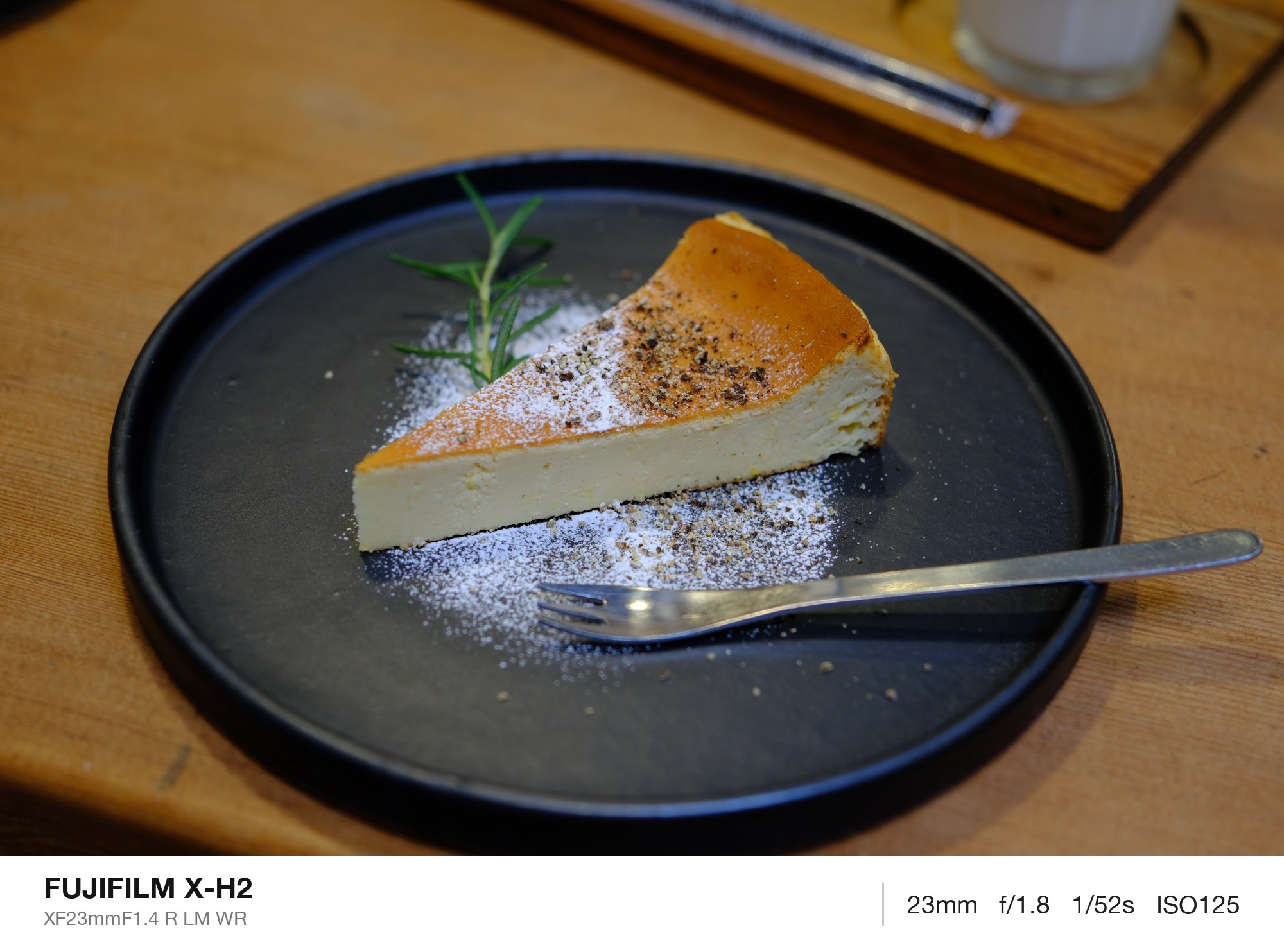
I took my time with the coffee and cheesecake, then studied hard until a little after 5 p.m.
That day I read three or four articles from The Japan Times Alpha, an English-language weekly newspaper, picked up new words and idioms, and finished with Anki (a flashcard app).
It felt like a place with lots of regulars — enough that regulars said things like, “That person’s late today,” noticing when someone who usually comes hadn’t shown up yet.
The owner is really friendly too. A friend from elementary school dropped by, and the owner was catching up with them. It felt like a café the locals truly love.
Parking is limited (from the look of it, expect room for only about four cars). It’s about a five-minute walk from Owari-Seto Station, so I recommend coming by train.
☕ VOUSHO Coffee Factory
| Address | Seto, Aichi — 愛知県瀬戸市銀杏木町1 |
|---|---|
| Access | About a 5-minute walk from Owari-Seto Station (Meitetsu Seto Line) |
| Outlets / Wi-Fi | None (as far as I could see) |
| Parking | Limited (looked like about 4 cars) |
* Information from my visit in October 2026. Opening days and hours can change, so please check Google Maps before you go.
About the photos from this day
I took the photos with my FUJIFILM X-H2 and my new phone, the Xiaomi 17T Pro. The ones with a “Xiaomi 17T Pro” band and a red logo at the bottom are from the Xiaomi (the Leica watermark).
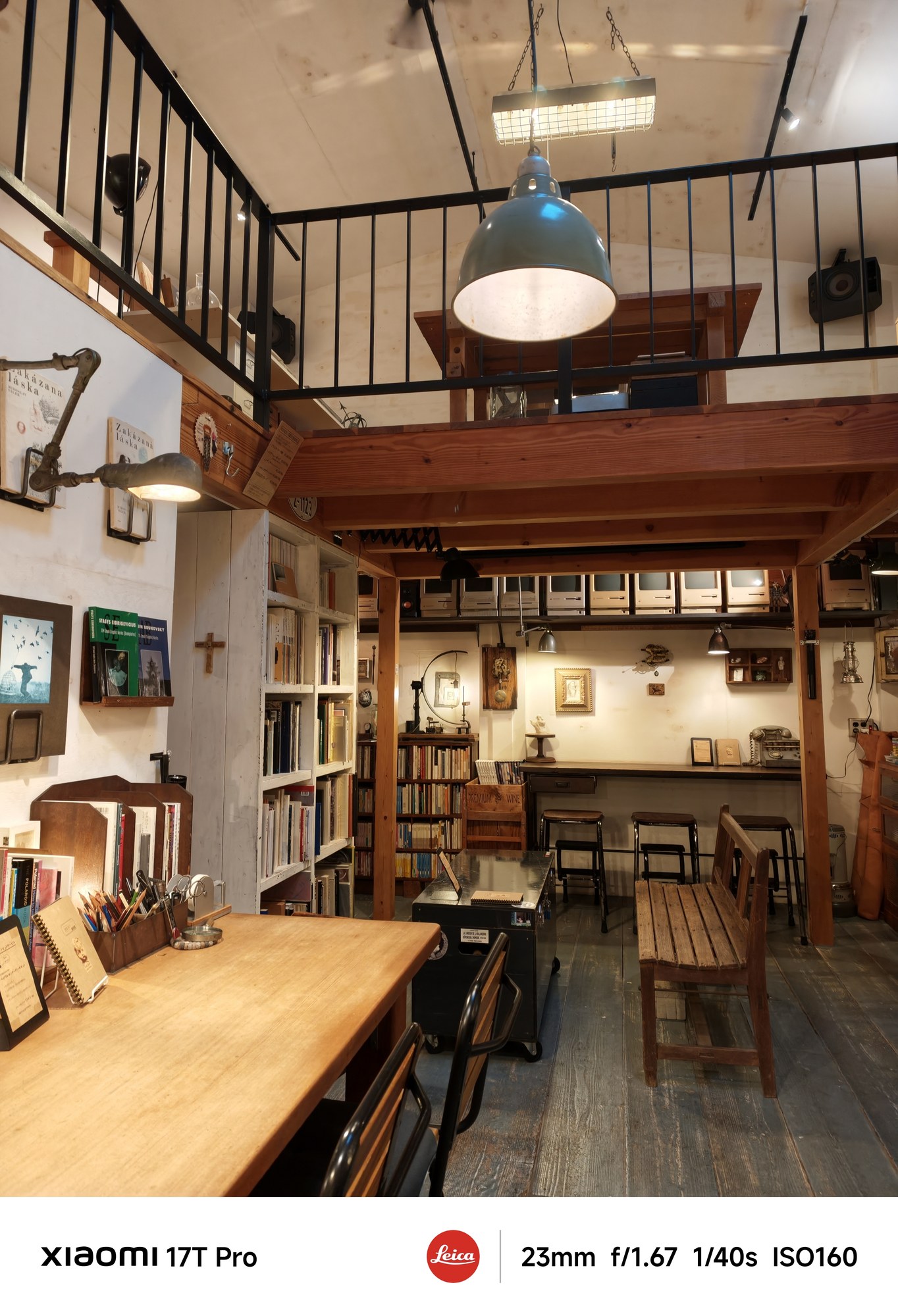
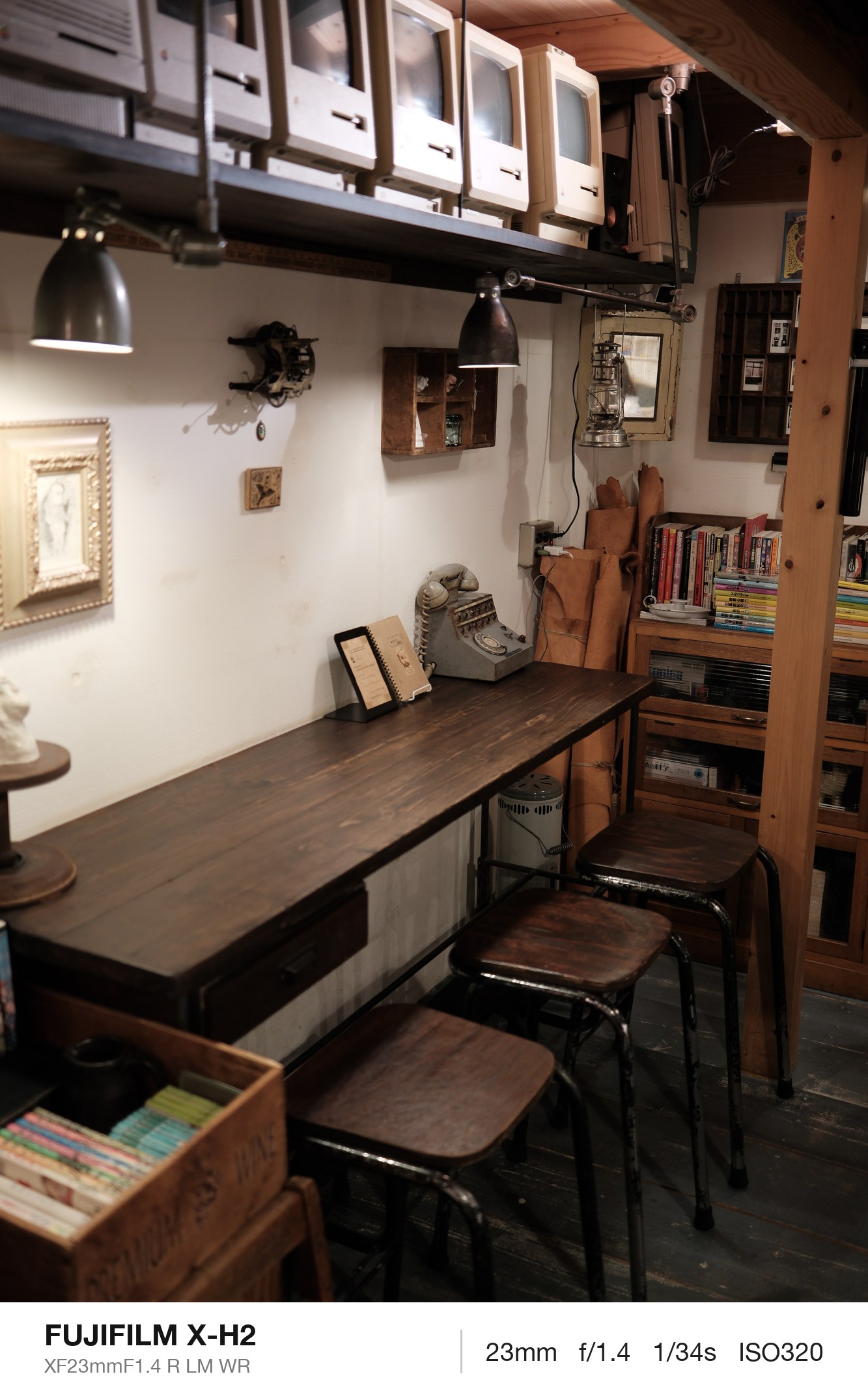
Leica image quality — impressive. I feel like the band really makes the photos stand out. And even next to the X-H2, the Xiaomi seems to take brighter shots in dark places… Compare the VOUSHO interior photos and see for yourself.
Summary
Just by riding the Meitetsu Seto Line to the end, I got the history of the Seto-den, a Showa-era shopping street, out-of-production porcelain figurines, a yakuzen lunch at a kiln dating back to the Edo period, the Kamagaki Path, and a hidden café. A day packed with things to see.
As a study café, VOUSHO Coffee Factory gets 5/5 for comfort and quietness. There are no outlets or Wi-Fi, so it’s better for reading newspapers or books and doing Anki than for long laptop sessions. Please go check it out.
I heard Seto has lots of pottery-making workshops and events, so next time I’d love to make some setomono myself.
Aichi Prefecture’s official tourism site has a model course for trying Seto pottery → First-time Seto pottery experience (Aichi Now)
Fellow learners, if you’re stuck for a place to study, try taking a train to the end of the line on a whim.
☕ Enjoyed this post?
I'm a Japanese blogger who spent 8 years relearning English from scratch.
If this post helped you, a coffee would mean a lot — thank you for reading!


Leave a Reply